Donec efficitur, ligula ut lacinia
viverra, lorem lacus.
Donec efficitur, ligula ut lacinia
viverra, lorem lacus.

You might notice changes in your sexual satisfaction when mental health challenges arise. Many people face similar struggles. In fact, concerns about sexual satisfaction are common among those with mental health conditions. Recent studies show that less than half of individuals with severe mental illnesses report being sexually active in the past three months. Addressing these concerns helps you take control of your well-being and ensures that your needs do not go overlooked.
You experience a direct connection between your mental health and sexual satisfaction. When you feel anxious or depressed, you may notice changes in your sexual desire or performance. High stress levels can trigger a fight-or-flight response, which often reduces libido and causes fatigue. Medications prescribed for mental health conditions sometimes produce side effects that impact sexual health. Body image concerns also play a role, affecting your comfort and intimacy with a partner.
You can see these patterns in real-life situations. For example, a young adult experiencing depression may withdraw from intimate relationships, leading to reduced sexual satisfaction. Another person facing anxiety might struggle with performance issues, which can create a cycle of frustration and further anxiety.
Sexual satisfaction and mental health influence each other in a continuous feedback loop. When you feel fulfilled in your intimate life, you often experience improved mood and lower stress. On the other hand, sexual dissatisfaction can increase feelings of anxiety and depression.
The study found that worse mental health is related to worse sexual health overall, and strong relationships can protect sexual satisfaction even when men are highly stressed. However, it was noted that when men are depressed, they report worse sexual health even in strong relationships.
Research supports this connection. Couples who report less sexual distress tend to have lower levels of anxiety and depression. Enhancing sexual satisfaction can serve as a pathway to better mental health outcomes.
| Mechanism | Description |
|---|---|
| Prolactin Surge | Postorgasmic prolactin surge is linked to sexual satiety and mental health. |
| Dopaminergic Signals | Dopaminergic activity influences prolactin release, affecting satisfaction. |
| Frequency of PVI | Higher frequency of intercourse correlates with greater satisfaction. |
| Psychological Maturity | Mature defense mechanisms improve sexual outcomes. |
| Health Indices | Intercourse is associated with better heart rate variability and mental health. |
| Masturbation Frequency | Higher frequency correlates with depression and sexual dysfunction. |
You benefit from recognizing this link. By understanding how mental health and sexual satisfaction interact, you can take steps to improve both areas. If you notice changes in your sexual well-being, consider reflecting on your mood and stress levels. Addressing mental health concerns may help restore sexual satisfaction and strengthen your relationships.

Recognizing the signs that mental health influences your sexual satisfaction can help you address concerns early and seek appropriate support. These signs often appear in patterns related to libido, arousal, orgasm, and intimacy. Understanding these patterns allows you to take proactive steps toward improving both your mental and sexual well-being.
You may notice a drop in your interest in sexual activity when you experience mental health challenges. Depression often reduces your neurochemical balance, making it difficult to feel pleasure or desire. Anxiety can heighten your tension, making it hard to relax and engage in intimacy. For example, a college student struggling with depression might find themselves avoiding sexual encounters, even with a supportive partner. This withdrawal can lead to feelings of inadequacy and further impact your mood.
| Mental Health Condition | Impact on Libido |
|---|---|
| Depression | Alters neurochemical balance, reduces libido, and causes difficulties with arousal and pleasure. |
| Anxiety Disorders | Heightens tension, complicating relaxation and intimacy, leading to sexual dysfunction. |
| Bipolar Disorder | Causes mood swings that unpredictably alter sexual behavior. |
| PTSD | Disrupts intimacy due to trauma-related flashbacks and hyperarousal. |
| Personality Disorders | Involves emotional shifts that affect sexual desire and foster fear of abandonment. |
Research highlights a strong connection between mental health issues, such as depression and anxiety, and sexual dysfunction. This relationship is cyclical, where mental health struggles can exacerbate sexual dysfunction, leading to feelings of inadequacy and further mental health challenges.
Some individuals experience the opposite effect—a sudden increase in sexual urges. Bipolar disorder, for instance, can cause periods of heightened sexual desire during manic episodes. You might find yourself seeking more frequent sexual encounters or engaging in risky behaviors. This shift can feel confusing, especially if it contrasts sharply with your usual patterns. If you notice dramatic changes in your sexual appetite, consider whether recent mood swings or stressors might be influencing your behavior.
Mental health conditions can interfere with your body’s ability to become aroused or reach orgasm. Anxiety disorders often distract you from the moment, making it difficult to focus on physical sensations. You might experience difficulties with lubrication, erection, or orgasm, even when you feel emotionally connected to your partner. For example, someone with obsessive-compulsive traits may struggle to relax during intimacy, leading to persistent arousal or orgasmic difficulties.
| Evidence Description | Findings |
|---|---|
| Anxiety disorders and sexual dysfunction | Anxiety can distract from sexual arousal, limiting orgasm frequency. |
| Obsessive-compulsive features | Longitudinal studies link orgasmic difficulties to obsessive-compulsive traits. |
| Psychological factors | Internal stressors like fear of vulnerability inhibit orgasm. |
| Sexual pain and anxiety | Increased anxiety sensitivity correlates with sexual pain and dysfunction. |
| Bipolar disorder and sexual dysfunction | Patients with bipolar disorder show different sexual dysfunction profiles compared to unipolar depression. |
| Sexual dysfunction and suicidality | Sexual dysfunction in bipolar patients is linked to suicidal thoughts and behaviors. |
| Anxiety and sexual arousal | Increased sympathetic activity can misinterpret sensations as threatening, reducing pleasure. |
| Anxious arousal | Physical sensations from anxiety can inhibit sexual pleasure despite genital arousal. |
You might also feel emotionally distant during sexual activity. Stress and anxiety can condition your desire for intimacy, making it difficult to connect with your partner. Low self-esteem and body image issues may create discomfort, while depression can diminish your interest in closeness. Trauma or unresolved past experiences often lead to fear and hesitation, making emotional and physical intimacy challenging. For example, a young adult with a history of trauma may feel numb or detached during sex, even in a loving relationship.
You may find yourself avoiding sexual activity or withdrawing from your partner when mental health symptoms intensify. Persistent psychiatric symptoms can shape your romantic relationships, making intimacy feel overwhelming or unappealing. For instance, someone with posttraumatic stress disorder may avoid physical closeness due to trauma-related flashbacks. This withdrawal can strain your relationship and reduce overall satisfaction.
| Finding | Description |
|---|---|
| Relationship Challenges | Persistent psychiatric symptoms shape romantic relationships, leading to struggles with intimacy. |
| Communication Skills | Good communication helps navigate mental health challenges within relationships. |
| Commitment | A long-term orientation toward relationships supports overcoming challenges. |
Anxiety can manifest as discomfort or fear during sexual activity. You might worry about your performance, fear judgment, or feel unworthy of intimacy. These feelings can lead to emotional withdrawal and maladaptive relationship patterns. For example, a person experiencing high anxiety after a traumatic event may rate their sexual intimacy lower, even with a committed partner.
| Finding | Description |
|---|---|
| Stress Spillover Effect | Higher posttraumatic stress and stress symptoms predict lower emotional intimacy in romantic relationships. |
| Emotional Withdrawal | Symptoms of numbness and avoidance may be perceived as emotional withdrawal by partners. |
| Anxiety and Sexual Intimacy | Victims’ anxiety levels relate to decreases in sexual intimacy ratings. |
| Impact of Psychiatric Symptoms | Mental health symptoms contribute to relationship struggles, affecting mood, thinking, and behavior. |
| Internalized Stigma | Feelings of unworthiness in relationships impact intimacy and satisfaction. |
| Relationship Strengths | Deep emotional bonds and commitment can help overcome challenges. |
Clinical studies indicate that mental health significantly influences sexual satisfaction, particularly highlighting how anxiety and depression can adversely affect one’s sexual life. For adolescents and young adults, low sexual satisfaction can lead to increased anxiety and negative emotions, especially in romantic contexts.
By identifying these signs, you empower yourself to seek support and improve both your mental health and sexual satisfaction. If you recognize these patterns in your own life, consider reaching out to a mental health professional or discussing your concerns with your partner.
Depression can significantly affect your sexual satisfaction. You may notice a loss of interest in sex, difficulty becoming aroused, or trouble reaching orgasm. These changes often relate to shifts in brain chemistry and emotional well-being. As depression becomes more severe, sexual dysfunction tends to worsen. You might feel disconnected from your partner or experience a drop in self-esteem, which can further reduce your desire for intimacy.
Antidepressant medications can also impact your sexual health. Many people taking these medications report side effects such as reduced libido or difficulty achieving orgasm. Overlapping symptoms, like loss of interest and low energy, make it challenging to separate the effects of depression from those of medication.
| Condition | Prevalence of Sexual Dysfunction |
|---|---|
| Depressive Disorders | 45% to 93% |
You should know that addressing depression can improve both your mood and your sexual satisfaction. Open communication with your healthcare provider about these concerns is essential.
Anxiety often leads to performance issues during sexual activity. You may worry about your ability to satisfy your partner or fear being judged. These thoughts can distract you and make it difficult to relax. Performance anxiety can affect anyone, but it is more common in men and younger individuals.
You might notice that anxiety causes physical symptoms, such as rapid heartbeat or sweating, which can further disrupt your experience. Addressing anxiety through therapy or relaxation techniques can help you regain confidence and improve your sexual satisfaction.
| Condition | Prevalence of Sexual Dysfunction |
|---|---|
| Anxiety Disorders | 33% to 75% |
Bipolar disorder can cause dramatic shifts in your sexual behavior and satisfaction. During manic episodes, you may experience hypersexuality, which means an increased focus on sexual activity that feels difficult to control. This can lead to risky decisions and negative consequences in your personal life.
When bipolar disorder is not being treated effectively, hypersexuality is often a symptom that can wreak havoc in a person’s personal life and lead to poor decisions with possible serious and negative consequences.
During depressive episodes, you might feel a lack of interest in sex and struggle with feelings of worthlessness. These mood swings can make it hard to maintain a consistent and satisfying intimate life.
Medications used to treat bipolar disorder, such as lithium, antipsychotics, and anticonvulsants, can also affect your sexual function. These treatments may lower testosterone, reduce libido, or cause hormonal changes that impact arousal.
| Condition | Prevalence of Sexual Dysfunction |
|---|---|
| Bipolar Disorder | Varies by episode and treatment |
If you live with bipolar disorder, you should monitor changes in your sexual behavior and discuss them with your healthcare provider. This can help you manage symptoms and protect your well-being.
You may face unique challenges in your intimate relationships when living with psychosis. Psychosis includes conditions such as schizophrenia and schizoaffective disorder. These conditions often disrupt your ability to connect with others on a romantic or sexual level. You might notice changes in your self-esteem, experience stigma, or struggle with symptoms that make intimacy difficult.
Low self-esteem can become a major barrier. You may feel undesirable or worry that others will judge you because of your diagnosis. Internalized stigma and discrimination often lead you to withdraw from social interactions. This withdrawal makes it harder to form romantic connections. Many individuals report feeling isolated, which can reduce opportunities for intimacy.
Stigma can create a power imbalance in relationships, making you hesitant to discuss your needs with healthcare professionals or partners.
Hallucinations and delusions may interfere with your ability to trust others. You might find it difficult to distinguish between reality and your symptoms, which can cause confusion or fear during intimate moments. Social withdrawal is common, and you may avoid situations where intimacy could develop. These experiences can leave you feeling disconnected from both your partner and yourself.
Antipsychotic medications play a role in sexual satisfaction. You may experience side effects such as reduced libido, difficulty achieving orgasm, or other forms of sexual dysfunction. These changes can further complicate your ability to maintain a fulfilling intimate relationship.
A review of qualitative studies from 2006 to 2016 highlights that individuals with psychosis often have unmet needs regarding sexuality and intimacy. These unmet needs can negatively affect your recovery and overall quality of life. You may feel that your concerns are not addressed by healthcare providers, which can increase feelings of frustration and isolation.
Consider the story of Alex, a young adult diagnosed with schizophrenia. Alex experiences auditory hallucinations and often feels anxious in social settings. He struggles with low self-esteem and worries that potential partners will reject him because of his diagnosis. Alex takes antipsychotic medication, which causes sexual side effects. He finds it difficult to talk about these issues with his doctor, fearing judgment. Over time, Alex withdraws from dating and feels increasingly isolated. With support from a peer group and open communication with his healthcare provider, Alex begins to address these barriers and rebuilds his confidence in forming relationships.
| Barrier | Impact on Intimacy |
|---|---|
| Low self-esteem | Reduces confidence in relationships |
| Stigma | Discourages open communication |
| Hallucinations | Creates confusion and fear |
| Social withdrawal | Limits opportunities for intimacy |
| Medication side effects | Causes sexual dysfunction |
You can overcome intimacy barriers by seeking support, advocating for your needs, and fostering open dialogue. Addressing these challenges improves your quality of life and helps you build stronger, more satisfying relationships.
Understanding how your mental health affects your sexual satisfaction starts with self-assessment. You can use several strategies to gain insight into your patterns and identify areas for improvement. These approaches help you recognize changes early and take proactive steps toward better well-being.
Begin by observing how your mood shifts relate to your sexual experiences. You might notice that periods of low mood or high stress coincide with changes in your desire or satisfaction. For example, after a stressful week at work, you may feel less interested in intimacy. On the other hand, feeling emotionally connected to your partner can boost your sexual satisfaction.
Try asking yourself questions such as:
You can use online mental health checklists or connect with supportive communities on platforms like Reddit’s r/mentalhealth or r/sex for shared experiences and advice.
Journaling provides a structured way to track your mood and sexual patterns over time. By recording your thoughts and experiences, you can identify trends and triggers that might otherwise go unnoticed. Many psychological studies highlight the benefits of journaling for emotional regulation and resilience.
| Study | Findings |
|---|---|
| The Role of Journaling in Tracking Progress During Mental Health Treatment | Journaling significantly reduces symptoms of anxiety and depression, improving emotional regulation and resilience. |
| Efficacy of journaling in the management of mental illness: a systematic review and meta-analysis | Journaling interventions resulted in a statistically significant 5% reduction in mental health measure scores, with greater benefits in anxiety (9%) and PTSD (6%). |
You might start with a simple daily log. Note your mood, stress levels, and any sexual activity or changes in desire. Over time, patterns will emerge. For example, you may see that high-stress days often lead to decreased libido. You can use digital apps or traditional notebooks—choose what feels most comfortable.
Tip: Set aside a few minutes each evening to reflect and write. Consistency helps you spot meaningful trends.
Recognizing what triggers changes in your sexual satisfaction empowers you to manage them more effectively. Common triggers include chronic stress, mental health disorders, and shifts in relationship dynamics. You may also find that positive experiences, such as feeling valued or emotionally close, enhance your satisfaction.
Consider a case example: Jamie, a college student, noticed that exam periods led to both increased anxiety and decreased interest in sex. By tracking these patterns, Jamie learned to communicate with their partner and schedule relaxing activities during stressful times.
You can find more self-assessment tools and resources from organizations like Mental Health America or connect with others through social media support groups. By reflecting, journaling, and identifying triggers, you take important steps toward understanding and improving your sexual satisfaction and mental health.

Open and honest communication forms the foundation of healthy relationships, especially when mental health affects sexual satisfaction. You can strengthen your connection and address concerns by talking with your partner, expressing your needs, and knowing when to seek professional help.
Starting a conversation about mental health and sexual satisfaction may feel daunting. You can make it easier by choosing the right time and setting. A relaxed, private environment encourages openness and reduces anxiety. Begin with less sensitive topics to build comfort before discussing more intimate issues. Clear communication about boundaries and preferences helps both you and your partner understand each other better.
| Strategy | Description |
|---|---|
| Active Listening | Give full attention and acknowledge your partner’s feelings without interruption. |
| Use ‘I’ Statements | Express your feelings to avoid sounding accusatory. |
| Create a Safe Space | Foster an environment for open dialogue without fear of rejection or blame. |
| Be Clear | Clearly communicate boundaries and preferences for a healthy relationship. |
| Choose the Right Time | Initiate conversations when both partners are relaxed and comfortable. |
| Start Slowly | Begin with less sensitive topics to build comfort. |
Tip: A neutral, judgment-free environment encourages honest sharing. Mediated dialogue, such as couples counseling, can help if you struggle to communicate openly.
For real-life support, you can find communities on platforms like Reddit’s r/relationships or r/sex, where people share experiences and advice about communicating with partners.
Expressing your needs and concerns about sexual satisfaction directly impacts relationship quality. When you share your feelings, you build trust and emotional intimacy. Open sexual communication strengthens your bond and helps both partners feel valued.
| Key Findings | Implications on Relationship Quality |
|---|---|
| Sexual satisfaction predicts overall relationship quality. | Addressing sexual needs maintains relationship health. |
| Open sexual communication is crucial. | Discussing desires strengthens trust and intimacy. |
| Good communication enhances connections. | Discussing needs improves satisfaction. |
| Strong emotional bonds lead to better intimacy. | Expressing needs deepens connection. |
| Responsiveness to needs increases satisfaction. | Open communication fosters emotional intimacy. |
You might notice that when you express your needs, your partner becomes more responsive, leading to higher satisfaction for both of you. Couples who communicate well can express desires clearly, which is essential for maintaining relationship quality.
Sometimes, you may need support beyond what you and your partner can provide each other. If you experience ongoing sexual dysfunction, distress, or mental health struggles that affect your relationship, seeking professional help is recommended. Therapists trained in sex therapy or mental health counseling can guide you through these challenges.
| Evidence Type | Description |
|---|---|
| Sexual Dysfunction | Associated with lower sexual and relational satisfaction and higher psychological distress. |
| Mental Health Impact | Addressing mental health concerns can improve sexual satisfaction and intimacy. |
| Help-Seeking Recommendation | Professional help is recommended when experiencing sexual dysfunctions. |
Note: You can find professional resources and support through organizations like the American Psychological Association or social media groups focused on mental health and relationships.
By communicating openly, expressing your needs, and seeking help when necessary, you take important steps toward improving both your mental health and sexual satisfaction.
You can take charge of your well-being by prioritizing self-care. Simple daily habits often create a strong foundation for both mental health and sexual satisfaction. Regular exercise, balanced nutrition, and quality sleep support your mood and energy. Mindfulness practices, such as meditation or yoga, help you manage stress and become more present during intimate moments. Open communication with your partner about your needs and boundaries fosters understanding and trust.
Many people in poor health report negative effects on their sex life. Addressing sexual health as part of your overall care can improve your psychological well-being.
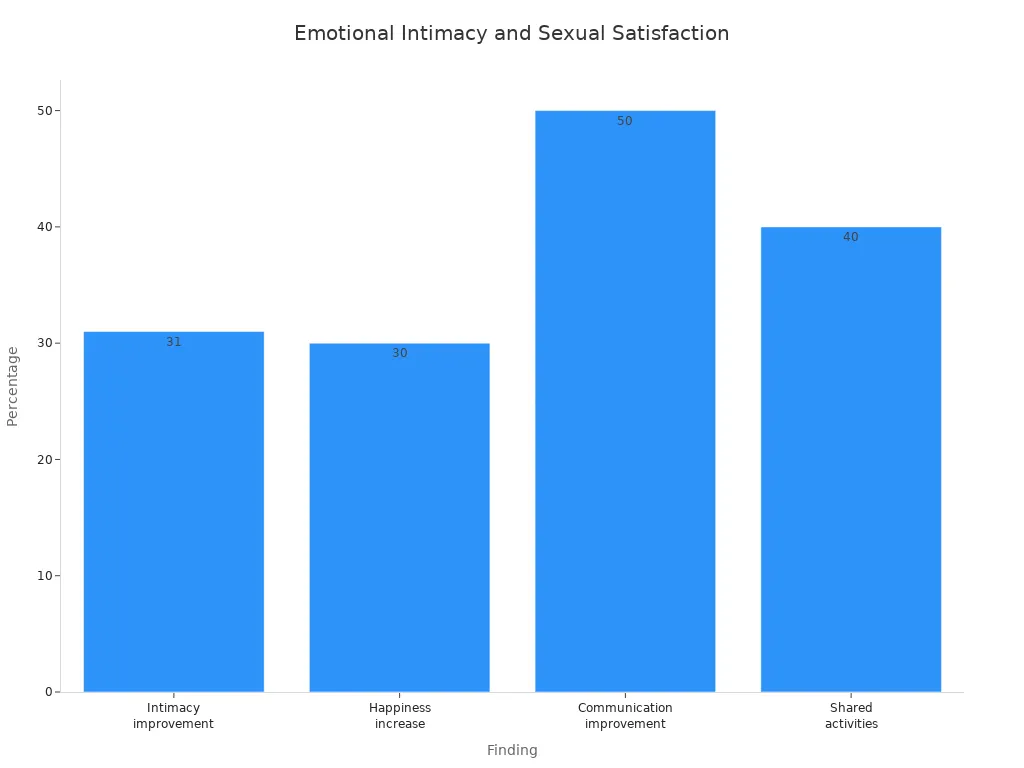
Emotional intimacy strengthens your connection with your partner and enhances sexual satisfaction. You build intimacy by sharing feelings, listening actively, and spending quality time together. Couples who engage in shared activities, such as cooking or walking, often report greater closeness. Open conversations about mental health challenges can increase relationship happiness and reduce conflict.
| Finding | Percentage |
|---|---|
| Improvement in intimacy for couples dealing with mental health problems | 31% |
| Increase in relationship happiness through open talks about mental health | 30% |
| Improvement in communication and closeness through counseling | 50% |
| Increase in intimacy through shared activities | 40% |
Tip: Try scheduling regular check-ins with your partner to discuss feelings and needs. Social media communities, such as r/relationships, offer support and advice for building intimacy.
Professional support can help you address both mental health and sexual satisfaction. Therapists use evidence-based approaches to guide you through challenges and improve your quality of life. You may benefit from individual, couples, or sex therapy, depending on your needs.
Many people find that therapy improves communication, intimacy, and overall satisfaction. Online directories and mental health organizations can help you find a qualified therapist in your area.
Case Study:
Jordan, a young professional, struggled with low libido and anxiety. After starting mindfulness exercises and attending couples therapy, Jordan noticed improved mood and a stronger connection with their partner. By discussing medication side effects with a healthcare provider, Jordan found a treatment plan that supported both mental health and sexual satisfaction.
You can take similar steps to improve your well-being. Reach out to mental health professionals, explore supportive online communities, and prioritize open communication with your partner.
Setting realistic goals helps you make steady progress in improving both your mental health and sexual satisfaction. When you set achievable targets, you avoid frustration and build confidence. You create a roadmap for change, which keeps you motivated and focused.
Why Realistic Goals Matter
Unrealistic expectations can lead to disappointment and self-doubt. You may feel discouraged if you expect immediate results or compare yourself to others. Research from the National Institute of Mental Health shows that people who set small, attainable goals experience greater long-term improvement in mental health and relationship satisfaction.
Tip: Break large goals into smaller, manageable steps. Celebrate each milestone to stay motivated.
How to Set Realistic Goals
You can use the SMART framework to guide your goal-setting process:
| SMART Criteria | Description | Example Goal |
|---|---|---|
| Specific | Define the goal clearly | “I will talk to my partner about my feelings.” |
| Measurable | Track your progress | “I will journal twice a week.” |
| Achievable | Ensure the goal is realistic | “I will try a new relaxation technique.” |
| Relevant | Align with your needs and values | “I want to improve intimacy in my relationship.” |
| Time-bound | Set a deadline or timeframe | “I will review my progress in one month.” |
Case Study:
Consider Taylor, who struggled with low libido due to anxiety. Taylor set a goal to communicate openly with their partner once a week about feelings and needs. Taylor also decided to practice mindfulness exercises three times a week. After one month, Taylor noticed improved mood and greater comfort during intimacy. Taylor shared progress in an online support group, receiving encouragement and advice from others with similar experiences. This approach helped Taylor stay accountable and motivated.
Actionable Steps for You
Remember: Progress may feel slow at times. Every small step counts toward your overall well-being.
Relevant Data
A recent survey published by the American Psychological Association found that 68% of individuals who set and tracked small goals reported higher satisfaction in their relationships and mental health compared to those who did not set goals.
| Goal-Setting Habit | Reported Improvement (%) |
|---|---|
| Set and tracked small goals | 68 |
| Did not set goals | 32 |
By setting realistic goals, you empower yourself to make meaningful changes. You build resilience, celebrate progress, and create a positive cycle of growth in both your mental health and sexual satisfaction.
You can improve your sexual satisfaction by staying aware of your mental health and taking proactive steps. Research shows that open communication, stress management, and ongoing education about sexual well-being lead to better outcomes. You benefit from recognizing how mood swings, fatigue, and emotional tension affect intimacy. Consider seeking specialized therapy, encourage honest discussions with your healthcare provider, and practice daily mindfulness. By prioritizing mental health, you create a foundation for a healthier and more fulfilling intimate life.
You may notice changes in your desire for intimacy, difficulty becoming aroused, or emotional distance from your partner. These early signs often appear before other symptoms become obvious.
Yes. High stress levels can lower your libido, make it hard to relax, and decrease enjoyment during intimacy. Stress also disrupts your focus, which can impact arousal and satisfaction.
Some medications, especially antidepressants and antipsychotics, can cause side effects like reduced libido or difficulty reaching orgasm. If you notice changes, talk to your healthcare provider about possible adjustments.
Absolutely. Anxiety often leads to worries about performance or fear of judgment. You may feel nervous or uncomfortable during intimacy. Open communication with your partner can help ease these feelings.
Start by tracking your mood and sexual patterns. Practice self-care, communicate openly with your partner, and consider seeking professional support. Small changes can make a big difference.
Yes. Better mental health often leads to increased desire, improved intimacy, and greater satisfaction. Self-care, therapy, and healthy lifestyle habits all support this positive change.
Seek help if you experience ongoing distress, relationship problems, or persistent changes in sexual function. A mental health or sexual health professional can provide guidance and support tailored to your needs.