Donec efficitur, ligula ut lacinia
viverra, lorem lacus.
Donec efficitur, ligula ut lacinia
viverra, lorem lacus.

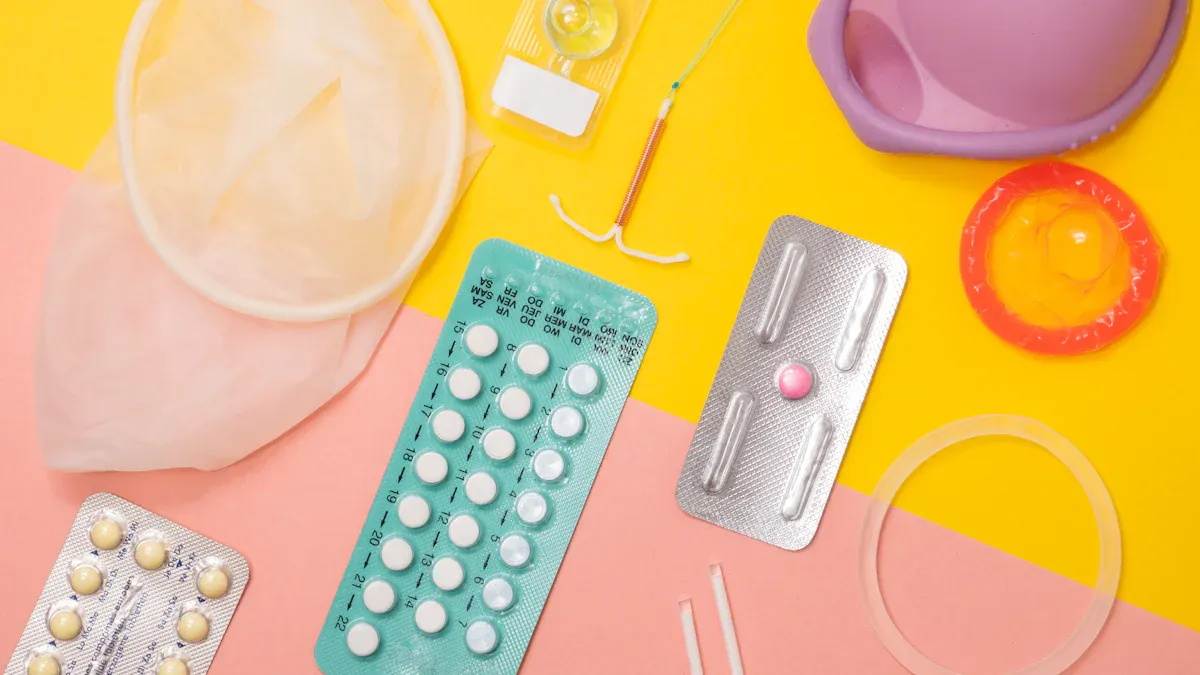
Starting birth control can bring changes to your sex life. You might notice shifts in your desire, mood, or satisfaction, but experiences vary from person to person. Some people feel more interested in sex, while others notice less desire or no change at all. Studies show:
You deserve to understand these possibilities. The Birth Control Guide from ToyChats helps you make choices that fit your needs. Your body and pleasure matter.
You may notice an increase in sexual desire after starting birth control. This happens for several reasons. The relief from pregnancy worries can help you relax and enjoy intimacy more. Many people report feeling more spontaneous and confident in their sex lives when they know they have reliable protection. Some research shows that the absence of pregnancy concerns can enhance intimacy and improve your overall sex life. For some, hormonal changes can actually boost libido, especially if previous anxiety about unplanned pregnancy affected desire.
Tip: If you feel more interested in sex after starting birth control, this is a common and positive experience. Open communication with your partner can help you both enjoy this change.
On the other hand, you might experience a decrease in sexual desire. Hormonal birth control can suppress ovulation, which may lower your body’s natural testosterone levels. Testosterone plays a key role in sexual desire. Some people are more sensitive to these hormonal shifts. Studies show that about 15% of women report a decrease in libido after starting birth control pills. Estrogen-containing methods can have a greater impact on sex drive, while progestin-only methods affect people differently. However, most people notice no significant change in their sex drive.
If you notice a drop in your desire, you are not alone. Research remains inconclusive, and experiences vary widely. You can find more information about sexual health and libido changes on Planned Parenthood’s Sexual Health page.
Sexual satisfaction involves more than just desire. It includes pleasure, orgasm, and emotional connection. Research published in the American Journal of Obstetrics and Gynecology found that your satisfaction with your birth control method often depends on how it affects your sexual experiences. If you feel less pleasure or have trouble reaching orgasm, you may feel less satisfied with your method.
Here is a summary of research findings on pleasure and orgasm:
| Study | Findings |
|---|---|
| Hoffmann, 2017 | Delay in reduced sexual enjoyment, leading to less frequent sexual behavior after starting hormonal contraception. |
| Caruso et al., 2004 | Sexual desire and frequency of intercourse did not decline until 9 months, but enjoyment decreased after 3 months. |
| ScienceDirect Study | Decreased sexual desire and activity at 9 months; diminished arousal at 3 months; orgasm frequency unchanged. |
If you notice changes in pleasure or orgasm, you may want to track your experiences and discuss them with your healthcare provider.
Physical comfort during sex can change with birth control use. Some people experience more comfort and less pain, especially if their method helps manage menstrual symptoms. Others may notice new discomforts, such as vaginal dryness or pain during sex.
| Issue | Description |
|---|---|
| Pain and Discomfort | Pain during sex is often normalized, but it should not be ignored. |
| Reduced Libido | Lower testosterone from hormonal birth control can reduce libido. |
| Vaginal Dryness | Hormonal methods can lead to vaginal dryness and low natural lubrication, causing discomfort. |
| Yeast Infections | Hormonal birth control may cause recurring yeast infections, contributing to discomfort. |
| Mood Changes | Hormonal methods can affect mood and overall well-being, impacting sexual experience. |
| Menopausal Symptoms | Some people may experience symptoms similar to menopause, including dryness and pain during sex. |
If you experience pain or discomfort, consider using water-based lubricants or talking to your healthcare provider. For more tips, visit Bedsider’s Sexual Health section.
Vaginal dryness is a common side effect of hormonal birth control. Less lubrication during sexual activity can lead to dryness and painful penetration, also known as dyspareunia. Oral contraceptives can decrease natural lubrication, increasing the risk of discomfort. The risk of dryness and pain is higher if you use oral contraceptives for two years or more, especially in adolescents.
If you notice dryness, using lubricants can help. You can also find support and advice from communities like Reddit’s r/sex where people share their experiences.
Spotting or irregular bleeding is another common side effect, especially when you start a new birth control method. The type of method you use can affect how often this happens.
Spotting can be inconvenient, but it often gets better as your body adjusts. If bleeding continues or becomes bothersome, consult your healthcare provider for guidance.
You may notice a sense of relief after starting birth control. Many people feel less anxious about the possibility of an unintended pregnancy. Psychological studies show that contraceptive use is the main way people avoid unwanted pregnancies, which can cause long-term distress. Hormonal contraceptives help lower anxiety levels. The table below highlights findings from recent research:
| Description | Findings |
|---|---|
| Contraceptive use helps prevent unintended pregnancy. | Unintended pregnancies often lead to distress and anxiety. |
| Hormonal contraceptives protect mental health. | Users report lower anxiety levels (SMD − 0.20, 95% CI [-0.40, -0.01]). |
| Effective contraception supports stable mental health. | Preventing unintended pregnancies reduces stress. |
| Modern contraception improves overall health. | Fewer high-risk pregnancies mean less stress and better well-being. |
For example, a college student named Maya shared her experience on Planned Parenthood’s Instagram. She explained that birth control helped her focus on her studies and relationships without constant worry about pregnancy. This sense of control can make intimacy more enjoyable and less stressful.
Birth control can boost your sexual confidence. When you know you have reliable protection, you may feel more comfortable exploring your desires. Many users report higher satisfaction with their sex lives after starting contraception. Research shows:
Consider the story of Alex, who posted on Bedsider’s community page. Alex described feeling empowered to communicate openly with partners and try new things in the bedroom. This confidence often leads to stronger relationships and a more fulfilling sex life.
Tip: If you feel more confident after starting birth control, celebrate this change. Confidence can help you advocate for your needs and enjoy intimacy.
Birth control offers relief from menstrual pain and discomfort for many users. Hormonal methods can reduce cramps by preventing ovulation, which stops painful uterine contractions. You may also notice fewer premenstrual symptoms, such as mood swings or bloating. Some people use continuous birth control methods, like certain pills or IUDs, to manage conditions such as endometriosis or to skip periods altogether.
A high school athlete named Jordan shared on Reddit’s r/TwoXChromosomes that birth control helped her participate in sports without worrying about painful periods. This benefit can improve your quality of life and make intimacy more comfortable.
Note: If you struggle with menstrual pain or heavy periods, talk to your healthcare provider about options that may help you feel better.
You may notice changes in your mood after starting birth control. Hormonal contraceptives can affect your emotional well-being. Some users report increased anxiety, depression, or stress. These mental health shifts can influence your interest in sex and your overall quality of life. A 2013 review found that 15% of users experienced decreased libido, while 21% felt an increase. Researchers now consider mental health effects as important as physical side effects. For example, a college student shared on Reddit’s r/birthcontrol that she felt more irritable and anxious after switching to a new pill, which made intimacy less appealing. If you notice mood changes, tracking your feelings and discussing them with a healthcare provider can help you find solutions.
Note: Mood changes can be temporary. Support from friends, partners, or mental health professionals may help you adjust.
Weight changes are another common concern. Some people gain weight, while others lose it or notice no change. Hormonal birth control can cause water retention or appetite shifts, which may affect your body image and confidence. A high school athlete posted on Instagram about gaining five pounds after starting the shot, which made her feel self-conscious during sports and intimacy. These changes vary from person to person. If you feel uncomfortable, consider tracking your weight and discussing options with your doctor.
Headaches can occur when you start or switch birth control methods. Some users experience migraines or tension headaches, especially during the first few months. These symptoms may disrupt your daily routine and affect your interest in sex. In a study of 3740 women, 43% reported a reduction in sexual desire due to hormonal contraceptives, compared to 12% using hormone-free methods. If headaches persist, you may want to explore alternative methods or seek medical advice. For more information, visit Planned Parenthood’s Health Info.
Breast tenderness is a frequent side effect, especially with hormonal options. You might feel soreness or swelling, which can make physical intimacy uncomfortable. Over 20% of users report increased sexual desire, but about 10% notice a decrease, sometimes linked to physical symptoms like breast pain. A user on Bedsider’s community described feeling hesitant to engage in sex because of breast discomfort after starting the pill. Using supportive bras or gentle touch may help you manage this symptom.
Birth control can influence your relationship dynamics. Recent studies show that starting hormonal contraceptives at the beginning of a relationship may affect how you perceive your partner’s attractiveness. Some women choose partners with less masculine features when using hormonal methods. If you stop using birth control, your satisfaction with your partner may change, depending on how attractive you find them. These shifts can lead to new conversations about intimacy and preferences. For example, a user on Reddit’s r/relationships shared that stopping the pill led to changes in her feelings toward her partner, prompting honest discussions about their future together.
Tip: Open communication with your partner can help you navigate changes in attraction and satisfaction. Sharing your experiences may strengthen your relationship.
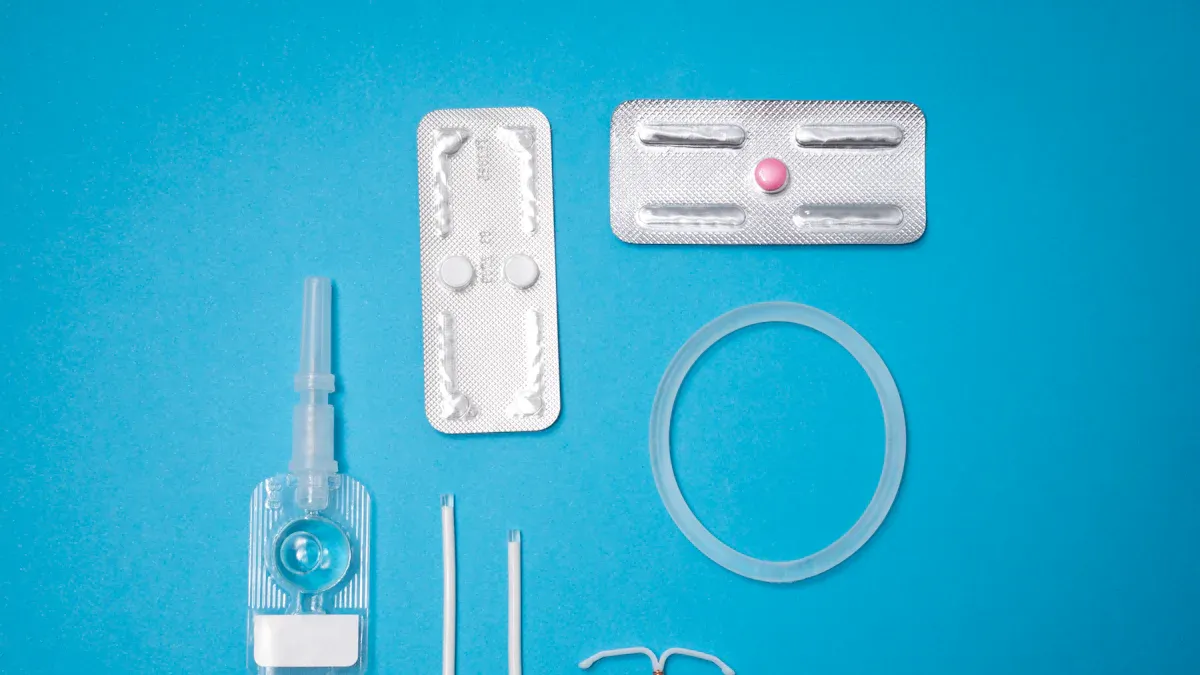
Choosing a birth control method can shape your sexual experiences in unique ways. You may notice changes in desire, comfort, or satisfaction depending on the method you use. Understanding the differences between hormonal and non-hormonal options helps you make informed decisions about your body and relationships.
Hormonal methods include pills, patches, rings, shots, hormonal IUDs, and implants. These options use synthetic hormones to prevent pregnancy and often affect your menstrual cycle and sexual health.
You might find that pills, patches, rings, and shots impact your sex life in different ways. Some people report no change in sexual desire, while others notice improvements or negative effects. For example, a college student shared on Reddit’s r/birthcontrol that she felt more relaxed and spontaneous after starting the pill, but her friend experienced a drop in libido with the shot. This variation shows that your response can differ from others.
Common sexual side effects include mood changes, weight gain, headaches, and breast tenderness. These methods do not protect against sexually transmitted infections (STIs). The table below highlights key differences:
| Method Type | Sexual Side Effects | STI Protection |
|---|---|---|
| Hormonal | Mood changes, weight gain, headaches, breast tenderness | No |
Hormonal IUDs and implants release hormones over time. Some users report no change in sexual desire, while others experience reduced libido or discomfort. Research shows that negative sexual side effects can lead to higher discontinuation rates. For instance, a user on Bedsider’s community described switching from an implant to a hormonal IUD after noticing a decrease in sexual interest.
| Study | Findings |
|---|---|
| Sanders et al. (2018) | Negative sexual side effects lead to higher discontinuation rates |
| den Tonkelaar and Oddens | Dissatisfaction with IUDs links to negative or no changes in sex life |
| Longitudinal studies | Mixed effects on sexual desire; some report no change, others improvements |
Non-hormonal methods include the copper IUD, condoms, and barrier methods. These options do not alter your hormonal balance and often have different effects on sexual experiences.
The copper IUD does not use hormones. You may experience heavier periods or increased cramping, but most users report minimal negative impact on sexual function. Some people notice pain during sex, especially in the first few months. A user on Reddit’s r/TwoXChromosomes shared that switching to a copper IUD helped her avoid hormonal side effects, though she needed to manage cramps with pain relief.
| IUD Type | Effect on Menstrual Flow | Effect on Cramping | Impact on Sexual Function |
|---|---|---|---|
| Copper IUD | Heavier periods | Increased cramping | Minimal negative impact, some pain |
Condoms and barrier methods protect against STIs and do not affect your hormones. Some users feel that condoms reduce sensation or cause dryness, which can lower pleasure. Others appreciate the sense of safety and control. Research shows that people who use both condoms and hormonal methods report the highest sexual satisfaction, likely due to feeling protected. For more insights, visit Planned Parenthood’s Sexual Health page.
Permanent methods include sterilization, while natural options involve fertility awareness. These choices can influence relationship dynamics and communication.
| Evidence Type | Findings |
|---|---|
| Relationship Satisfaction | 62% of natural family planning (NFP) users felt it improved their relationship |
| Negative Impact | Only 1.4% of NFP users felt it worsened their relationship |
| Functional Relationship | NFP users had a 47% greater likelihood of a functional relationship score |
Couples using natural methods often report better communication and shared responsibility. One user on Instagram described how tracking cycles together brought her and her partner closer, improving both intimacy and trust.
Tip: Your choice of birth control can affect not only your body but also your relationship. Open conversations with your partner can help you find the best fit for both of you.
Starting birth control can affect your mental health in different ways. You might notice changes in your mood, anxiety, or even depression. Many people report feeling more at ease because they have control over their reproductive health. Others experience emotional ups and downs. Research shows that mood changes are common with hormonal contraception. Here are some important findings:
You should track your feelings and talk to a trusted adult or counselor if you notice changes. For more support, visit Mental Health America or join conversations on Reddit’s r/mentalhealth.
Tip: Keep a mood journal to help you spot patterns and share them with your healthcare provider.
Birth control can shape how you connect with your partner. Hormonal changes may lower your libido or make you feel less emotionally connected. This can lead to misunderstandings or tension in your relationship. You might feel pressure or anxiety about intimacy, which can affect how safe and close you feel with your partner. Disagreements about family planning can also create stress and impact emotional needs.
A college student shared on Reddit’s r/relationships that starting birth control changed how she felt about intimacy, which led to honest talks with her partner. Open communication helps you both understand each other’s needs and feelings.
Note: Try to talk openly with your partner about any changes you notice. Honest conversations can strengthen your relationship.
Birth control can also influence how you see yourself. Some studies show that people who do not use hormonal contraception spend more time on grooming and are seen as wearing more makeup. This suggests that hormonal birth control may change your grooming habits and how you feel about your body.
You might notice that you care less about appearance or feel more comfortable in your skin. For some, these changes boost confidence. For others, they may bring new insecurities. If you struggle with body image, consider following positive communities on Instagram or seeking advice from a counselor.
Remember, your worth is not defined by your appearance. Focus on what makes you feel good and healthy.
You may notice side effects when you start a new birth control method. These can include changes in libido, headaches, breast tenderness, or spotting. Managing these effects helps you maintain a healthy sex life and overall well-being. Here are some strategies you can try:
For example, a college student named Riley noticed vaginal dryness and lower libido after starting the pill. She spoke with her doctor, who suggested switching to a different method. Riley also talked with her partner, which helped them find ways to stay close and comfortable during intimacy. You can read more about managing side effects on Planned Parenthood’s Health Info.
Tip: Using water-based lubricants can help with dryness. Tracking your symptoms in a journal may help you notice patterns and discuss them with your provider.
Deciding whether to wait or switch birth control methods depends on your experience with side effects. Many people find that symptoms like nausea, headaches, or changes in bleeding improve as their bodies adjust. You may want to wait a few months before making a change. However, some signs mean you should seek help right away.
Consider the story of Jamie, who started experiencing frequent migraines after switching to a hormonal IUD. She waited two months, hoping the headaches would improve. When the pain continued, Jamie contacted her doctor and switched to a non-hormonal method. Her symptoms improved, and she felt more comfortable during sex.
Switching birth control is a big decision. You should approach this change thoughtfully and with support. Consulting your healthcare provider ensures that your new method matches your health needs and lifestyle. For more guidance, visit Bedsider’s Birth Control Support.
Your healthcare provider is your best resource when you notice changes in your sex life or side effects from birth control. Prepare for your appointment by tracking your symptoms and writing down questions. Share details about your sexual health, mood, and comfort. Ask about alternative methods and what to expect during the adjustment period.
For example, Taylor felt anxious and less interested in sex after starting a new pill. She kept a mood journal and brought it to her doctor. Together, they found a method that worked better for her body and lifestyle.
Note: You deserve care that supports your health and pleasure. Honest conversations with your provider help you make informed choices.
You have many choices if your current birth control method does not fit your needs. Exploring other options can help you find a method that supports your sexual health, comfort, and lifestyle. You do not have to settle for side effects or dissatisfaction.
Start by learning about the full range of birth control methods. Each option works differently and affects your body in unique ways. You can consider hormonal and non-hormonal methods, as well as permanent and natural approaches. Here is a quick overview:
| Method Type | Examples | Key Features |
|---|---|---|
| Hormonal | Pill, patch, ring, shot, IUD | May affect mood, periods, and libido |
| Non-Hormonal | Copper IUD, condoms, diaphragm | No hormones, protects against STIs (condoms) |
| Permanent | Sterilization | Long-term, not reversible |
| Natural | Fertility awareness, withdrawal | Requires tracking, high user involvement |
You might want to switch methods if you experience ongoing side effects, discomfort, or changes in your sex life. For example, one college student shared on Reddit’s r/birthcontrol that she switched from the pill to a copper IUD after months of mood swings and low libido. She found that her energy and interest in sex returned within weeks. Another user on Bedsider’s community described trying several methods before finding that condoms and fertility awareness worked best for her relationship and body.
Tip: Track your symptoms and feelings for a few weeks before making a change. This record helps you and your healthcare provider spot patterns and choose the best option.
You can also talk with friends or join online communities to hear about others’ experiences. Many people share their stories on platforms like Reddit or Instagram. These stories can help you feel less alone and give you ideas for what to try next.
If you want to avoid hormones, you can look into non-hormonal options like the copper IUD or condoms. These methods do not change your hormone levels and may reduce side effects like mood swings or weight changes. If you want a method that requires little daily effort, you might prefer an implant or IUD. If you want more control, you can choose condoms or fertility awareness.
Remember, your needs and preferences matter. You can always change your method if your situation changes. Your comfort, health, and pleasure deserve attention. If you need more information, check out resources like Planned Parenthood’s Birth Control Methods page or Bedsider’s Method Explorer.
You have the right to explore, ask questions, and find what works best for you. Your sexual health journey is personal—choose what makes you feel safe and satisfied.
You might hear many myths about birth control and its effects on your sex life. These misconceptions can cause confusion or worry, especially if you are starting a new method. Some of the most common myths involve weight gain, fertility, and changes in sexual desire. You deserve clear information so you can make choices with confidence.
Many people believe that all hormonal birth control causes significant weight gain. Others worry that using birth control will harm their fertility in the future. Some think that every method will lower their sex drive or make it harder to enjoy intimacy. These ideas often spread through social media, word of mouth, or outdated advice.
Let’s look at what research actually shows:
| Myth | Fact |
|---|---|
| Hormonal birth control causes excessive weight gain | A 2021 review found no strong link between hormonal birth control and major weight gain. Most people gain less than 5 pounds in the first year, if any. |
| Birth control damages your fertility | Hormonal contraceptives are fully reversible. Most people regain fertility within 6 to 12 months after stopping use. |
| All birth control methods cause weight gain | Modern low-dose hormonal methods have minimal effects on weight for most users. |
| Birth control affects your future fertility | Research shows that contraception does not impact long-term fertility. |
You might know someone who felt they gained weight after starting the pill. However, a comprehensive review in the Cochrane Database found that most combined hormonal contraceptives do not lead to significant weight gain. In fact, many people notice no change at all. If you feel concerned about weight, tracking your habits and talking to your healthcare provider can help you find the best fit.
Sorting fact from fiction helps you take control of your sexual health. Here are some truths to keep in mind:
Tip: If you hear a claim about birth control that worries you, check reliable sources like Planned Parenthood or Bedsider for up-to-date information.
You might meet someone who believes birth control will make it hard to have children later. In reality, research shows that contraception is fully reversible. For example, a college student shared on a health forum that she became pregnant within three months of stopping the pill, even after years of use. Stories like hers show that fertility usually returns quickly.
Understanding the facts helps you make choices that support your health and happiness. When you know the truth, you can focus on what matters most—your comfort, your pleasure, and your future.
You experience unique changes when you start Birth Control. Some people feel more confident, while others notice shifts in mood or desire. Track your symptoms and talk with your partner or healthcare provider. Use trusted guides to learn about your options. Prioritize your comfort and pleasure. Remember, your choices matter.
Tip: Open communication helps you find what works best for your body and relationships.
You may notice changes in your sex drive after starting birth control. Some people feel an increase, while others experience a decrease. Most users report no change. For more details, visit Planned Parenthood.
Yes, vaginal dryness is a common side effect of hormonal birth control. You can use water-based lubricants to improve comfort during sex. If dryness persists, talk to your healthcare provider. Learn more at Bedsider.
Birth control often changes your menstrual cycle. You might have lighter periods, fewer cramps, or even skip periods. Some methods cause spotting or irregular bleeding. If you have concerns, consult your doctor. Read more at ACOG.
Hormonal birth control can affect your mood. You may feel more stable, or you might notice anxiety or sadness. Track your feelings and discuss changes with a healthcare professional. For support, visit Mental Health America.
Some people say condoms reduce sensation or cause dryness. Others appreciate the protection and peace of mind. Try different brands or add lubricant for better comfort. For tips, check Planned Parenthood.
Most birth control methods work within seven days. Some, like the pill, may require backup protection for the first week. Always follow your provider’s instructions. For more information, see Bedsider.
You can switch methods if you experience unwanted side effects. Talk to your healthcare provider about your symptoms and preferences. They can help you find a better fit. Learn more at Planned Parenthood.
Stopping birth control usually restores fertility quickly. Most people can get pregnant within a few months. If you have concerns, speak with your doctor. See ACOG for more information.