Donec efficitur, ligula ut lacinia
viverra, lorem lacus.
Donec efficitur, ligula ut lacinia
viverra, lorem lacus.

You can build confidence, enhance pleasure, and improve stamina by embracing your unique journey. Many women face self-doubt and body image concerns, which can affect how you feel about yourself and your experiences. The following table highlights how common these feelings are:
| Statistic Description | Percentage |
|---|---|
| Women experiencing body dissatisfaction (60-70 years) | Over 60% |
| Women endorsing that weight/shape negatively affects their lives | Almost 62% |
| Women reporting dissatisfaction with weight | 71% |
| Women with thoughts about their weight daily | Nearly 64% |
| Women currently making efforts to lose weight | Over 71% |
Taking control in the bedroom, especially in the woman on top position, can empower you. Research shows that exploring new positions, including the cowgirl, increases sexual satisfaction and helps you discover what feels best. A Woman’s Guide encourages you to celebrate your sexuality and enjoy every step of self-discovery.
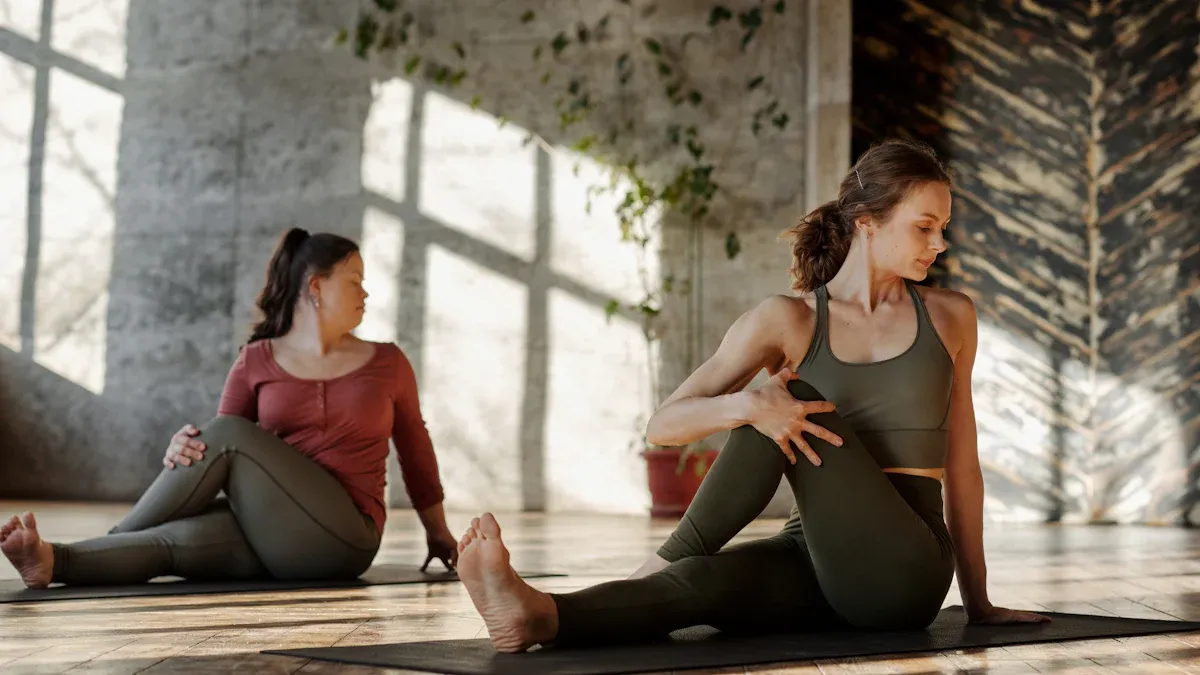
You can build confidence by connecting with your body through mindful movement. Activities like yoga, stretching, or dance help you tune into your body’s sensations. When you move with intention, you become more aware of your strengths and abilities. This awareness can shift your focus from appearance to capability. Many women find that regular movement routines reduce anxiety and boost self-esteem.
Tip: Try a five-minute morning stretch or a short walk each day. Notice how your body feels with each movement.
Body awareness means understanding how your body feels and moves. When you pay attention to your posture, breathing, and physical sensations, you develop a deeper appreciation for your body. Research shows that higher body appreciation in women links to lower levels of negative coping strategies. This positive body image can enhance your confidence and help you handle stress better.
Objectification Theory explains that society often pressures women to focus on appearance. This can lead to self-objectification, which may cause shame and anxiety. By challenging these norms and focusing on what your body can do, you can increase your confidence.
| Benefit of Body Awareness | Description |
|---|---|
| Reduced Anxiety | Mindful movement lowers stress levels. |
| Improved Self-Esteem | Focusing on abilities boosts confidence. |
| Greater Resilience | Positive body image helps you cope with challenges. |
Affirmations are positive statements you repeat to yourself. They help you challenge negative thoughts and reinforce your strengths. For example, saying “I am strong and capable” each morning can set a positive tone for your day. Over time, these affirmations can reshape your mindset and increase your self-worth.
Negative self-talk can hold you back from feeling confident. When you notice a critical thought, pause and ask yourself if it is true or helpful. Replace it with a more supportive statement. This practice takes time, but it can transform how you see yourself.
Note: Surround yourself with people who uplift you. Positive influences can make it easier to challenge negativity.
Self-compassion means treating yourself with kindness, especially when you make mistakes. Forgive yourself for past errors and recognize that everyone has imperfections. Practicing self-compassion helps you overcome self-doubt and supports your ability to take charge of your sexuality.
Women who show themselves compassion are more open and less judgmental. This openness can improve your sexual agency and help you feel more comfortable expressing your desires.
Celebrate your achievements, no matter how small. Recognize your progress and reward yourself for reaching milestones. This habit builds confidence and motivates you to keep growing.
“A Woman’s Guide” recommends focusing on your strengths and celebrating every step forward. When you acknowledge your growth, you reinforce your confidence and inspire yourself to continue.
Maria, a 34-year-old teacher, struggled with body image and self-doubt. She started practicing yoga three times a week and kept a journal of her progress. Over six months, Maria noticed she felt stronger and more confident. She used affirmations like “My body is powerful” and celebrated each new pose she mastered. Maria’s journey shows how mindful movement and positive self-talk can transform confidence.
Setting boundaries is a vital skill for building confidence and protecting your emotional well-being. You may feel pressure to please others, but learning to say no helps you honor your needs and values. When you say no, you take responsibility for your own feelings and actions. This practice lowers stress and increases satisfaction in your relationships.
Healthy boundaries clarify what you are willing to accept. You do not have to feel guilty for putting yourself first. Many women struggle with people-pleasing, but boundary healing starts with small steps. Practice saying no in everyday situations, such as declining extra work or turning down social invitations when you need rest.
Tip: Use simple phrases like “I’m not able to do that right now” or “I need some time for myself.” Direct communication shows respect for yourself and others.
Clear communication is essential for maintaining boundaries and building confidence. When you express your needs, you help others understand your limits and expectations. Assertive communication reduces anxiety and helps you manage discomfort in relationships.
| Communication Strategy | Example Phrase |
|---|---|
| State your needs | “I need some quiet time tonight.” |
| Set limits | “I can help for one hour, but not longer.” |
| Ask for support | “Can you help me with this task?” |
Healthy boundaries clarify personal responsibilities. You are only responsible for your own thoughts and feelings. This principle, sometimes called the “law of relationships,” supports your well-being and reduces stress. When you communicate your needs, you strengthen your confidence and create more satisfying connections.
A Woman’s Guide encourages you to practice assertive communication. Start by identifying your needs and expressing them clearly. Over time, you will feel more confident and empowered in all areas of your life.
Sexual agency means taking ownership of your desires and choices. You have the right to explore what feels good and express your preferences. Embracing your desires helps you build self-esteem and enjoy more fulfilling intimate experiences.
A Woman’s Guide suggests that you start by reflecting on what you want in the bedroom. Write down your fantasies or preferences. Use this list to guide conversations with your partner. When you embrace your desires, you create space for pleasure and connection.
Note: Your desires are valid. You do not need to compare yourself to others or feel ashamed of what excites you.
Shame can hold you back from experiencing confidence and pleasure. Many women feel embarrassed about their bodies or sexual interests. Letting go of shame is a powerful step toward sexual agency and self-acceptance.
You deserve to feel confident in your body and your choices. Celebrate your sexuality as a natural part of who you are. When you release shame, you open the door to greater pleasure and satisfaction.
A Woman’s Guide reminds you that confidence grows when you honor your boundaries and embrace your desires. By practicing assertive communication and letting go of shame, you empower yourself to take charge in every aspect of your life.
You can unlock greater pleasure by exploring your own body. Self-exploration helps you understand what feels good and what you enjoy most. Many women find that taking time for themselves, away from distractions, allows them to discover new sensations. You might start by touching different areas of your body and noticing how each touch feels. You can use a mirror to observe your body and appreciate its uniqueness.
Tip: Set aside quiet time for self-exploration. Use gentle touch and focus on your breathing. Notice which sensations bring you comfort or excitement.
A Woman’s Guide encourages you to approach self-exploration with curiosity. You do not need to rush. You can try different movements, pressures, or rhythms. Over time, you will learn what brings you the most pleasure.
Discovering new sensations can transform your intimate experiences. You can experiment with temperature, texture, and movement. For example, you might use silk fabric or warm water to stimulate your skin. You can change positions or angles to see how your body responds.
Many women feel nervous about trying new things. You can overcome this by starting small and building confidence. You might keep a journal to record what you enjoy. This helps you remember your preferences and communicate them with your partner.
| Barrier | Solution |
|---|---|
| Social stigma and conversation avoidance | Encourage open discussions about sexual health to reduce misconceptions and stigma. |
| Apprehension to discuss sexual health | Healthcare providers should create a comfortable environment for discussing sexual health. |
| Lack of trust in healthcare providers | Build rapport and trust through nonjudgmental communication and confidentiality assurances. |
You can address common barriers to pleasure by talking openly about your needs and experiences. When you feel safe and supported, you are more likely to enjoy new sensations.
Expressing your desires is essential for enhancing pleasure. You can start by sharing what you like and what you want to try. You might use simple phrases such as, “I enjoy when you touch me here,” or “I would like to try a new position.” Open communication helps you and your partner understand each other’s preferences.
Research shows that women who talk about their sexual desires experience higher levels of satisfaction. You can build emotional safety and trust by being honest about your needs. This leads to more fulfilling encounters.
You can use nonverbal cues, such as guiding your partner’s hand or changing your position, to express your desires. You do not need to feel embarrassed. Your pleasure matters.
Listening to your partner’s needs is just as important as expressing your own. You can ask questions like, “What do you enjoy most?” or “Is there something new you want to try?” When you listen actively, you show respect and care.
| Key Findings | Implications for Women’s Sexual Satisfaction |
|---|---|
| Open communication fosters emotional safety | Enhances women’s ability to express desires and concerns, leading to greater sexual satisfaction |
| Communication about positive events is linked to relationship satisfaction | Higher relationship satisfaction correlates with increased sexual satisfaction |
| Lack of openness increases conflicts | More conflicts can lead to decreased sexual satisfaction in women |
You can create a supportive environment by responding positively to your partner’s feedback. This builds trust and encourages both of you to explore new experiences together.
Note: You can use regular check-ins to discuss what feels good and what you might change. This keeps communication open and helps you both enjoy greater pleasure.
Prioritizing your own pleasure is a key step in enhancing your intimate experiences. You deserve to feel satisfied and fulfilled. You can set boundaries and communicate your needs without guilt. Many women find that focusing on their own enjoyment leads to more frequent and intense orgasms.
| Study | Findings |
|---|---|
| Sanchez et al. (2005) | Undermining sexual autonomy negatively impacts sexual pleasure. |
| Bond et al. (2020) | Positive correlation between entitlement to sexual pleasure and increased orgasm frequency. |
| Horne & Zimmer-Gembeck (2006) | Sexual consciousness linked to individual sexual feelings and desires. |
| Mastro & Zimmer-Gembeck (2015) | Pleasure self-efficacy linked to assertiveness in young individuals. |
| Carter et al. (2019) | Open communication about painful sex linked to greater sexual pleasure. |
| Barnett & Melugin (2016) | Age, sexual experience, and body-esteem favor women’s sexual pleasure. |
You can use these findings to remind yourself that your pleasure is important. You can take time to explore what you enjoy and share this with your partner.
Exploring what feels good means trying new things and noticing your reactions. You can experiment with different positions, movements, or settings. You might use music, lighting, or scents to create a relaxing atmosphere. You can ask your partner to try new techniques or use toys to enhance pleasure.
Tip: Keep a list of activities or sensations that you enjoy. Share this list with your partner and update it as you discover new preferences.
Case Study: Enhancing Pleasure Through Self-Exploration
Jasmine, a 29-year-old graphic designer, felt disconnected from her body and unsure about her desires. She began a routine of self-exploration, using gentle touch and mindful breathing. Jasmine kept a journal to track her sensations and preferences. After several months, she felt more confident expressing her needs to her partner. Jasmine’s experience shows that self-exploration and open communication can lead to greater pleasure and satisfaction.
You can follow Jasmine’s example by setting aside time for yourself and communicating openly with your partner. You will find that prioritizing your own enjoyment leads to more fulfilling intimate experiences.
You may notice that shame and guilt often shape your views about pleasure and sexuality. Many women receive mixed messages about sex, which can create confusion and discomfort. These feelings can come from cultural expectations, family beliefs, or even past experiences. When you internalize guilt or anxiety about sexuality, you may find it harder to enjoy intimacy or express your needs.
You can start to reframe these beliefs by recognizing where they come from. Ask yourself if these ideas truly reflect your values or if they are inherited from others. Challenge negative thoughts by replacing them with affirmations like, “My pleasure is natural and important.” You can also talk to trusted friends or professionals who support your journey toward self-acceptance.
| Component | Description |
|---|---|
| Relationship Sexual Shame | Involves feelings related to interactions with others. |
| Internalized Sexual Shame | Encompasses feelings of humiliation and disgust about one’s own body and identity. |
| Sexual Inferiority | Refers to feelings of not meeting societal expectations regarding sexuality. |
| Effects of Sexual Shame | Linked to self-hostility, dysfunctions, body-shaming, and reduced self-esteem. |
Many women underestimate their sexual experiences because of societal expectations. You might feel pressure to fit a certain image or to keep your desires hidden. By questioning these beliefs, you can begin to see pleasure as a healthy and empowering part of your life.
Tip: Write down any negative beliefs you notice about sexuality. For each one, create a positive statement that supports your well-being.
Embracing wellness means accepting your sexuality as a natural part of your overall health. When you let go of shame, you create space for joy and connection. You may notice that your body image improves and your confidence grows. This shift can help you express your needs and enjoy intimacy without fear or guilt.
You can support your wellness by practicing self-care and seeking out positive experiences. Surround yourself with people who respect your boundaries and celebrate your growth. Remember, your pleasure matters, and you deserve to feel good about your body and your choices.
Note: Wellness includes emotional, physical, and sexual health. Taking care of all aspects of yourself leads to a more fulfilling life.
Pleasure tools, such as sex toys, can enhance your sexual experiences and support your well-being. Many women use these tools to explore new sensations, increase pleasure, and address specific needs. Sex toys are recognized as valid tools for improving sexual function and emotional health. They can help you discover what feels good and boost your confidence in the bedroom.
You may also find that pleasure tools help you communicate your desires with a partner. Using toys together can add excitement and variety to your intimate life. Many women report that these tools help them feel more in control of their pleasure and more connected to their bodies.
Tip: Start with a simple toy that feels comfortable for you. Explore different shapes, sizes, and textures to find what you enjoy most.
Setting the mood can make your intimate experiences more enjoyable and memorable. You can create a relaxing environment by adjusting lighting, playing music, or using scented candles. These small changes can help you feel more comfortable and present in the moment.
You might also want to prepare your space by choosing comfortable bedding or adding personal touches that make you feel special. Taking time to set the mood shows that you value your pleasure and well-being.
Note: You deserve to enjoy every aspect of your intimate experiences. Creating a welcoming environment can help you feel more confident and open to pleasure.

Building stamina starts with strong legs and a stable core. These muscle groups support you during movement and help you maintain positions like “woman on top” with confidence. Squats, lunges, and planks are excellent exercises for targeting these areas. You can add them to your weekly routine to see steady progress. Try holding a plank for 30 seconds, then increase the time as you get stronger. Yoga and Pilates also help build core stability and flexibility, which can make intimate moments more comfortable and enjoyable.
Tip: Focus on form over speed. Quality movements protect your joints and maximize results.
Cardiovascular endurance is essential for lasting energy. Activities that raise your heart rate, such as brisk walking, cycling, or swimming, improve your stamina and support overall health. The American Heart Association recommends at least 150 minutes of moderate-intensity cardio each week. This can be split into 30-minute sessions, five days a week. Endurance training not only boosts your physical fitness but also supports mental well-being.
| Day | Activity |
|---|---|
| Monday | Cardio |
| Tuesday | Strength Training |
| Wednesday | Rest or Active Recovery |
| Thursday | Cardio |
| Friday | Strength Training |
| Saturday | Cardio |
| Sunday | Rest or Active Recovery |
This balanced schedule helps you build both strength and endurance, giving your body time to recover.
You do not need to rush. Starting slow allows your body to warm up and adjust. In intimate moments, begin with gentle movements and steady breathing. This approach helps you tune into your body and your partner, reducing fatigue and increasing enjoyment. Slow pacing also gives you time to find what feels best.
Once you feel comfortable, you can gradually increase your pace. Building intensity keeps your energy steady and prevents burnout. Alternate between slow and faster rhythms to maintain stamina and excitement. Listen to your body and adjust as needed.
Note: Consistent practice helps you recognize your limits and expand them over time.
Your hands can provide extra support and balance. Place them on your partner’s chest, thighs, or the bed to reduce strain on your legs and core. This technique allows you to control movement and conserve energy, making it easier to maintain positions for longer.
Experimenting with different angles can make a big difference. Try adjusting your posture or shifting your hips to find what feels most comfortable. Some women find that kneeling or squatting positions offer better leverage and less fatigue. You can also use pillows for added support.
Case Study: Building Stamina with a Weekly Routine
Samantha, a 32-year-old nurse, wanted to improve her stamina for both daily life and intimate moments. She followed a weekly plan with three cardio sessions, two strength workouts, and two rest days. After two months, Samantha noticed she could maintain the “woman on top” position longer and felt more confident in her body. Her story shows that a balanced routine leads to real results.
For more exercise ideas and tips, visit The American Heart Association.
You need to give your body time to rest, especially after physical activity or intimate moments. Taking breaks helps your muscles recover and prevents fatigue. Short pauses during intimacy can help you catch your breath and maintain your energy. You might use these moments to change positions, hydrate, or simply enjoy the connection with your partner. Rest is not a sign of weakness. It is a smart way to build stamina and avoid burnout.
Research shows that women often recover faster and experience less acute fatigue than men. This means you may be able to return to activity sooner and maintain your stamina more effectively. During recovery, your body repairs itself and prepares for the next challenge. By listening to your body and allowing time for rest, you support both your physical and sexual health.
Your body sends signals when it needs rest. You might feel muscle soreness, tiredness, or a drop in motivation. Pay attention to these cues. If you notice discomfort or fatigue, take a break. Gentle stretching or deep breathing can help you relax and speed up recovery. You do not need to push through pain. Respecting your limits helps you avoid injury and keeps your experiences enjoyable.
Tip: Keep a journal to track how you feel after different activities. This can help you recognize patterns and adjust your routine for better results.
A balanced diet supports your stamina and sexual health. Eating a variety of fruits, vegetables, and whole grains gives your body the nutrients it needs for energy and satisfaction. Foods like leafy greens, fish rich in Omega-3s, and pumpkin seeds can improve blood flow and hormone balance. These nutrients help you feel more energized and ready for both daily activities and intimate moments.
| Food Group | Benefit for Stamina | Example Foods |
|---|---|---|
| Leafy Greens | Boost blood flow | Spinach, kale |
| Omega-3s | Support hormone balance | Salmon, flaxseed |
| Zinc-rich Foods | Enhance sexual function | Pumpkin seeds, lentils |
You can also support your stamina by drinking enough water and limiting processed foods. A healthy diet helps you feel your best and enjoy more fulfilling experiences.
Quality sleep is essential for your energy, mood, and sexual health. Poor sleep can lead to fatigue, mood swings, and lower libido. You can improve your sleep by keeping a regular schedule and creating a calm environment. Try to go to bed and wake up at the same time each day. Make your bedroom comfortable and free from distractions.
If you struggle with sleep, consider gentle activities like reading or meditation before bed. Avoid screens and caffeine in the evening. Good sleep habits help you wake up refreshed and ready to enjoy life.
For more tips on sleep hygiene, visit Sleep Foundation.
You can set the tone for your day by creating simple morning and evening routines. These rituals help you build confidence, enhance pleasure, and improve stamina over time. Many experts recommend starting your morning with gentle movement, such as stretching or a short walk. This boosts circulation and wakes up your body. In the evening, you might try meditation, breathwork, or sensory grounding to relax and reflect.
These routines provide emotional support and predictability, making it easier to stay consistent and motivated.
Mindful check-ins help you stay connected to your body and emotions. Take a few moments during the day to notice how you feel. Ask yourself questions like, “Do I feel confident right now?” or “What would bring me pleasure today?” This practice keeps you present and helps you adjust your actions for better well-being.
Tip: Set a reminder on your phone for a midday check-in. Use this time to breathe deeply and reset your focus.
Recognize your achievements, no matter how small. When you celebrate progress, you reinforce positive behaviors and build momentum. For example, choosing a healthy snack or completing a workout counts as a win. Each small victory adds up and motivates you to keep going.
| Progress Tracker | Example Achievement | How It Helps |
|---|---|---|
| Daily Movement | 10-minute walk | Boosts stamina |
| Affirmation Practice | “I am strong and capable” | Builds confidence |
| Self-Care Activity | Relaxing bath | Enhances pleasure |
Reflecting on these moments helps you see your growth and encourages you to set new goals.
Share your successes with friends, partners, or supportive communities. Talking about your progress inspires others and strengthens your motivation. You might join an online group or start a journal to track your journey. Many women find that sharing their stories creates a sense of connection and accountability.
Setbacks are part of every journey. You can learn from challenges by viewing them as opportunities for growth. Personal training and mentorship help you set realistic goals and develop inner strength. When you face obstacles, remind yourself that each experience teaches you something valuable.
Stay motivated by focusing on your long-term vision. Regular exercise, balanced nutrition, and self-care routines support your progress. Structured fitness programs and flexibility exercises help you build strength and resilience. Celebrate every step forward, and remember that consistency matters more than perfection.
Note: Mindfulness, exercise, and self-care reduce stress and improve both physical and sexual health. These habits support your confidence, pleasure, and stamina for the long term.
You can embrace every step of your journey toward confidence, pleasure, and stamina. Celebrate your progress and practice self-compassion, as research shows that self-kindness and patience improve mental health and empowerment.
Keep exploring, communicating, and prioritizing your needs. Your path is unique—own it and continue growing every day. 🌟
You can practice positive self-talk, use affirmations, and focus on your strengths. Try deep breathing or a short walk to calm your mind. Wearing something that makes you feel good can also help. For more tips, visit Psychology Today.
Start with “I” statements, such as “I feel” or “I would like.” Be honest and specific. Listen to your partner’s response. Use regular check-ins to keep communication open. You can find more advice at The Gottman Institute.
Focus on squats, lunges, and planks to build leg and core strength. Add cardio activities like brisk walking or cycling. Aim for at least 150 minutes of moderate exercise each week. Check out CDC Physical Activity Guidelines for more details.
Challenge negative beliefs by reminding yourself that pleasure is natural. Use affirmations like “My pleasure matters.” Seek supportive communities or talk to a counselor. Journaling can help you process feelings. For more resources, visit Planned Parenthood.
Most sex toys are safe when you follow instructions and clean them properly. Choose body-safe materials like silicone. Avoid sharing toys without cleaning. If you have concerns, consult a healthcare provider. Learn more at Mayo Clinic Sexual Health.
Eat leafy greens, fish rich in Omega-3s, and zinc-rich foods like pumpkin seeds. Drink plenty of water. Limit processed foods. A balanced diet supports energy and hormone health. For nutrition tips, see Harvard T.H. Chan School of Public Health.
Decide what feels comfortable for you. Communicate your limits clearly and respectfully. Practice saying no without guilt. Healthy boundaries protect your well-being and build trust. For more guidance, visit Mental Health America.
Pause and take a break. Change positions or use pillows for support. Focus on slow, gentle movements. Listen to your body and communicate with your partner. Rest helps you enjoy the experience more.