Donec efficitur, ligula ut lacinia
viverra, lorem lacus.
Donec efficitur, ligula ut lacinia
viverra, lorem lacus.


You may worry that the spark in your long-term relationship has faded. You are not alone.
| Evidence Type | Findings | Implications |
|---|---|---|
| Digital Interventions | Significant improvements in relationship satisfaction observed | Structured support can enhance relationship satisfaction |
| Methodological Insights | Many studies had concerns regarding bias and limitations | Further research is needed |
You can reignite passion by reflecting on what you want to improve and taking simple steps together.
Long-term relationships thrive when you revisit your shared history and emotional connection. You can reignite passion by intentionally reflecting on your journey together and tuning into each other’s feelings. This process strengthens your bond and sets the stage for deeper intimacy.
Reminiscing about the early stages of your relationship can boost optimism and compassion. You might recall your first date, the moment you realized you were in love, or a funny mishap that brought you closer. These memories help you reconnect with the excitement and affection you felt at the beginning.
| Study Title | Findings |
|---|---|
| How Thinking About the Past Can Help Your Relationship Now | Nostalgia promotes a sense of commitment and helps offset present challenges. |
| Can Longing for the Early Days Reenergize a Relationship? | Nostalgia fosters optimism, compassion, and can soothe conflicts. |
| A Little Nostalgia Could Make Your Relationship More Loving | Couples who reminisce report higher satisfaction and closeness. |
| Do you remember when we first met? | Recalling first dates enhances feelings of support and intimacy. |
Tip: Set aside time each week to share a favorite memory. You can look through old photos, revisit meaningful places, or simply talk about what made those moments special. This practice can reignite passion and remind you why you chose each other.
Acknowledging milestones, both big and small, reinforces your commitment. You might celebrate anniversaries, the day you moved in together, or even overcoming a challenge as a team. These celebrations create new memories and strengthen your emotional connection.
| Evidence Summary | Implication for Emotional Connection |
|---|---|
| Relationship nostalgia is positively associated with relationship satisfaction in the short-term. | Reflecting on shared history can enhance emotional bonds temporarily. |
| High levels of nostalgia may indicate dissatisfaction with current relationship aspects. | Lack of nostalgic memories may signal low relationship satisfaction. |
You can create a tradition of celebrating milestones with a special dinner, a handwritten note, or a simple gesture that shows appreciation. These actions help you reignite passion and maintain a sense of closeness.
Emotional attunement means recognizing and responding to your partner’s emotional needs. Dr. John Gottman highlights that successful couples turn toward each other’s emotional bids 86% of the time. You can practice this by noticing when your partner seeks attention, comfort, or support, and responding with care.
Note: Emotional attunement builds trust and intimacy. When you respond to your partner’s emotional needs, you create a secure foundation for your relationship. For more on emotional attunement, you can explore resources from The Gottman Institute.
Empathy involves understanding your partner’s perspective and validating their feelings. You can practice empathy by asking open-ended questions, reflecting back what you hear, and expressing genuine concern. Dr. Gottman emphasizes that self-awareness is crucial for supporting each other effectively.
Emotional attunement involves actively responding to a partner’s emotional needs. Turning toward your partner’s bids fosters trust and emotional intimacy, which are foundational for a secure relationship.
Tip: Regularly check in with your partner about their emotional state. This habit helps you stay connected and reignite passion, even during challenging times.
You can find more strategies for practicing empathy and emotional attunement from reputable sources such as Psychology Today and American Psychological Association.
By reflecting on your shared history and tuning into each other’s emotions, you lay the groundwork to reignite passion in your long-term relationship. These practices foster optimism, compassion, and a deeper sense of commitment.
Strong communication forms the backbone of every thriving long-term relationship. You can overcome common barriers and build deeper trust by practicing active listening, expressing your needs clearly, and handling conflict with care.
Listening with intention helps you understand your partner’s perspective and strengthens your emotional bond. Many couples face communication barriers that hinder connection:
Set aside time each day to talk without interruptions. Put away your phone and turn off the TV. You might take a walk together or share a meal at the table. This focused attention signals respect and care.
| Study | Findings |
|---|---|
| Seehausen et al. (2012) | Empathic listening improves emotional responses to negative events, enhancing relationship satisfaction. |
| Nils & Rimé (2012) | Receptive listening is linked to increased closeness and reduced loneliness. |
| Pasupathi et al. (1999) | Receptive listening positively predicts relationship satisfaction. |
| Graham et al. (2008) | Disclosing negative emotions fosters trust and connection, enhancing relationship satisfaction. |
Tip: Try the “five-minute check-in” each evening. Ask your partner about their day and listen without interrupting. This simple habit can boost closeness.
Acknowledge your partner’s emotions, even if you do not agree. Use phrases like, “I see this is important to you,” or “That sounds tough.” Validation helps your partner feel heard and valued.
Clear communication about your needs prevents misunderstandings and builds trust. You can foster transparency and security by sharing openly.
Frame your needs with “I” statements. For example, say, “I feel overwhelmed when the house is messy,” instead of, “You never clean.” This approach reduces defensiveness and encourages honest dialogue.
Share your feelings and needs with kindness. Regular check-ins and honest conversations help sustain successful relationships. You build a solid friendship when you consistently meet each other’s needs. Communication and compromise are essential for meeting needs and maintaining trust.
Example: Schedule a weekly “relationship review.” Discuss what went well and what you need from each other. Use gentle language and focus on solutions.
Conflict is inevitable, but you can resolve disagreements without damaging your bond. Effective strategies help you work as a team.
Focus on the issue, not the person. Avoid statements that assign blame. Instead, describe the problem and how it affects you. Couples who listen and avoid confrontation resolve conflicts more effectively.
Work together to find practical solutions. Take a walk to cool off if emotions run high. Treat conflict as teamwork. Many couples learn to walk through challenges together, strengthening their partnership.
Resource: For more on conflict resolution, explore expert advice on platforms like Psychology Today.
By improving communication, you create a safe space for honesty and growth. You build trust, deepen intimacy, and keep the fire alive in your relationship.

Exploring new experiences together can reignite excitement and deepen your connection. When you step outside your comfort zone as a couple, you create fresh memories and strengthen your bond. Research shows that couples who try new activities report higher relationship satisfaction and intimacy.
You can boost your relationship by learning something new together. Cooking a new recipe, joining a dance class, or starting a hobby like painting or gardening encourages teamwork and laughter. These shared experiences help you see each other in a new light.
| Activity Description | Source |
|---|---|
| Working out together, such as a gym date or a run, can enhance intimacy. | Marriage.com |
| Collaborating on projects like gardening or home improvements can strengthen the bond. | Marriage.com |
| Volunteering together for a cause you both care about can create shared feelings of accomplishment. | Marriage.com |
Tip: Choose an activity that interests both of you. For example, you might sign up for a pottery class or cook a meal from a different culture. Document your progress with photos or a shared journal.
Traveling together, even if only to a nearby town, can refresh your perspective and spark new conversations. Couples who visit new places often report feeling more connected and adventurous.
| Activity Description | Source |
|---|---|
| Going on a nature hike or a long car ride can serve as bonding activities. | Marriage.com |
| Recreating your first date can evoke nostalgia and strengthen emotional ties. | Therapy Unlocked |
| Planning a spontaneous adventure can add excitement to the relationship. | Therapy Unlocked |
You might plan a weekend getaway, explore a new hiking trail, or revisit the spot where you first met. These outings create lasting memories and encourage you to see each other in new environments.
Routine can lead to boredom in long-term relationships. You can keep things fresh by changing your date night plans. Instead of dinner and a movie, try a picnic in the park, a board game night, or a themed dinner at home.
Note: Couples who break routine by introducing new date ideas often report increased excitement and anticipation. You can find inspiration for creative date nights on social media platforms dedicated to relationship advice.
Facing challenges together builds resilience and trust. You might sign up for a charity run, tackle a home improvement project, or learn a new skill as a team. Experts recommend the following steps to support each other during change:
Callout: When you take on challenges together, you learn to rely on each other and celebrate small victories. This process strengthens your partnership and keeps your relationship dynamic.
Trying new things together helps you grow as a couple. You build trust, create joyful memories, and keep the fire alive in your relationship.
Spending intentional time together strengthens your relationship and fosters lasting intimacy. You can build a deeper connection by prioritizing regular date nights, daily rituals, and minimizing distractions.
You do not need to leave your house to create memorable date nights. You can cook a new recipe together, set up a movie marathon, or plan a themed dinner. These activities encourage conversation and laughter, helping you reconnect after a busy week.
Tip: Try a “no phones” rule during your date night at home. This simple step can help you focus on each other and enjoy uninterrupted time.
Going out together introduces novelty and excitement. You might visit a local art exhibit, explore a new restaurant, or take a walk in the park. Couples who engage in date nights have a lower risk of relationship breakdown. In a study of nearly 10,000 couples, those who went out once a month had significantly better relationship longevity than those who rarely did. Interestingly, spontaneity matters more than frequency—weekly outings did not show improved odds of staying together.
| Benefit of Date Nights | Description |
|---|---|
| Enhanced communication | Discuss important topics without distractions |
| Rekindled romance | Spark passion and attraction |
| Shared commitment | Build a sense of partnership |
| Novelty | Combat decline in relationship quality |
Simple daily rituals can boost satisfaction. You might start your day with a warm greeting or end it with “pillow talk.” Sharing news first with each other or preparing for bed together creates a sense of routine and security.
You can develop exercise routines, share meals, or leave notes of appreciation. These small gestures show intentional affection and help maintain harmony. Sending loving messages or greeting each other warmly when coming home can make a significant difference.
Callout: Couples who practice daily rituals such as “hello” in the evening, sharing a cup of coffee, or focusing on each other at the dinner table report higher relationship satisfaction.
| Common Rituals | Impact on Relationship |
|---|---|
| No digital distractions | Improved connection |
| Intentional affection | Increased intimacy |
| Shared meals | Enhanced communication |
| Apologizing for mistakes | Maintained harmony |
Designate certain areas of your home, such as the dining room or bedroom, as screen-free zones. You can encourage conversations during meals by keeping screens off the table. Setting aside time before bed to put away devices improves sleep quality and mindfulness.
Model healthy digital habits by minimizing device use during family time. Engage in screen-free activities like board games or arts and crafts. Exposure to background television can disrupt interaction and reduce the quality of connection. You can foster deeper bonds by being fully present.
Note: Mindful presence during quality time helps you connect emotionally and strengthens your relationship foundation. For more ideas, explore resources from The Gottman Institute or Psychology Today.
Prioritizing quality time through regular date nights, daily rituals, and limiting distractions creates a strong, resilient partnership. You build trust, intimacy, and lasting joy in your relationship.

Physical and emotional intimacy form the core of a thriving long-term relationship. You can strengthen your connection by prioritizing affectionate touch, keeping your intimate life exciting, and communicating openly about your desires. These strategies help you reignite passion and maintain a sense of closeness over time.
Affectionate touch, such as hugging, holding hands, kissing, or cuddling, plays a vital role in expressing fondness, love, and support. You send a clear signal of your desire for closeness when you reach for your partner’s hand or offer a warm embrace. Research highlights several benefits:
You can incorporate more touch into your daily routine by greeting your partner with a hug, holding hands during walks, or sitting close together while watching a movie. These simple gestures help you feel connected and valued.
Non-sexual touch offers unique psychological and physiological benefits that go beyond physical pleasure. You can use touch to comfort, reassure, and build trust, even outside the bedroom.
| Benefit | Description |
|---|---|
| Emotional Intimacy | Non-sexual touch enhances emotional bonds, making partners feel more connected and secure. |
| Stress Reduction | Physical affection reduces cortisol levels, leading to lower stress and a more relaxed environment. |
| Oxytocin Release | Engaging in touch releases oxytocin, fostering feelings of closeness, trust, and bonding. |
Non-sexual touch creates a positive feedback loop. When you feel emotionally safe, you are more likely to experience satisfaction in your sexual relationship. You can offer a gentle back rub, rest your hand on your partner’s knee, or cuddle while talking about your day. These actions foster emotional intimacy and set the stage to reignite passion.
Tip: Make a habit of non-sexual touch throughout the day. Small gestures, like a reassuring squeeze or a gentle touch on the arm, can have a lasting impact on your connection.
Keeping your intimate life exciting requires intention and creativity. Sex therapists recommend building emotional intimacy through shared experiences and expressing appreciation for one another. These practices help sustain passion over time.
You can break out of routine by changing how you initiate intimacy. Try new locations, different times of day, or playful approaches to surprise your partner. For example, you might leave a flirty note, suggest a spontaneous make-out session, or plan an intimate evening together.
Callout: Playfulness and novelty can help you reignite passion and keep your relationship dynamic. Consider role-playing or trying new activities together to add excitement.
Anticipation can heighten desire and make intimate moments more meaningful. You can send a suggestive text during the day, share your excitement for an upcoming date night, or talk about what you look forward to experiencing together. Planning and looking forward to these moments can increase both emotional and physical intimacy.
For more guidance on building anticipation and keeping intimacy alive, you can explore resources from The American Association of Sexuality Educators, Counselors and Therapists.
Open communication about desires and fantasies is essential for a satisfying and trusting relationship. You create a safe environment for both partners to feel valued and understood when you talk honestly about your needs.
Discussing your fantasies can deepen intimacy and strengthen your emotional bond. You can start by sharing what you enjoy, what you would like to try, or what makes you feel desired. This openness fosters trust and allows you to connect on a more profound level.
Note: Regular check-ins about desires and preferences help you adapt to changes over time. Honest conversations prevent misunderstandings and keep your relationship strong.
For more on healthy communication about intimacy, visit Psychology Today’s Relationships Section.
Exploring new experiences together can reignite passion and bring you closer. You might try a new activity, experiment with different forms of touch, or set aside time to learn about each other’s preferences. The key is to approach exploration with curiosity and respect for each other’s boundaries.
You can use these strategies to prioritize sensuality and thrill in your relationship. By focusing on both physical and emotional intimacy, you lay the foundation for lasting satisfaction and connection.
Surprising your partner and offering support can transform the daily rhythm of your relationship. You show care and commitment when you make thoughtful gestures, set shared goals, and encourage each other’s growth. These actions help you build trust, boost satisfaction, and keep your connection strong.
Small surprises can brighten your partner’s day and reinforce your emotional bond. You do not need grand gestures to make a meaningful impact. Simple acts, such as leaving a note or calling just to say “I love you,” can express affection and attentiveness.
| Gesture Description | Evidence Supporting Effectiveness |
|---|---|
| Small acts of daily kindness | Express responsiveness, which is crucial for relationship satisfaction. |
| Give your lover a dozen roses with a note | Symbolizes uniqueness and appreciation, enhancing emotional connection. |
| Write a love letter or poem | Engages creativity and personal touch, enhancing emotional connection. |
| Call just to say ‘I love you’ | Maintains connection and reassurance, important for relationship dynamics. |
| Pick flowers for your partner | Signifies care and affection, boosting mood and feelings of being valued. |
| Write notes spread over postcards | Builds anticipation and excitement in the relationship. |
Tip: Try hiding a handwritten note in your partner’s bag or surprising them with their favorite snack. These moments create positive memories and show that you value your partner.
Acts of kindness, both big and small, play a vital role in relationship satisfaction. You might prepare a bubble bath, offer a warm towel after a long day, or slow dance together at home. These gestures foster intimacy and security.
| Gesture Description | Evidence Supporting Effectiveness |
|---|---|
| Prepare a bubble bath and warm towel | Fosters intimacy and security, contributing to overall relationship satisfaction. |
| Make a giant greeting card | Demonstrates thoughtfulness and effort, reinforcing positive associations. |
| Watch romantic movies together | Can be as effective as counseling in improving relationship satisfaction. |
| Be her partner in everything | Shows care and support, enhancing relationship satisfaction. |
You can find more creative ideas for thoughtful gestures on relationship advice platforms such as Verywell Mind.
Setting shared goals helps you and your partner align your visions and work as a team. When you discuss hopes and dreams, you foster understanding and support. You might plan a trip, save for a home, or set health goals together.
Note: Regularly revisit your goals and celebrate progress. This practice strengthens your partnership and keeps you motivated.
Recognizing milestones, both big and small, reinforces your commitment. You can celebrate a promotion, a fitness goal, or an anniversary. These celebrations create shared memories and boost your sense of accomplishment.
Supporting each other’s interests encourages personal growth and strengthens your relationship. You might attend your partner’s art show, cheer them on at a race, or simply listen as they share their passions. Research shows that caring support during stressful times leads to lower anxiety and improved emotional recovery.
Respecting your partner’s independence allows both of you to grow as individuals. Relationships serve as catalysts for personal development. By encouraging each other’s dreams and navigating challenges together, you deepen your connection and foster mutual evolution.
Callout: When you support your partner’s growth and respect their independence, you build a resilient and fulfilling relationship.
You can explore more about supporting each other’s growth at Psychology Today.
Long-term relationships face challenges that sometimes require outside support. You strengthen your partnership when you recognize issues early and seek professional help. Addressing problems promptly can prevent emotional distance and build a resilient foundation.
You may notice subtle shifts in your relationship before major problems arise. Therapists identify several early warning signs that signal distress:
You also want to watch for these patterns:
Tip: If you notice these signs, take them seriously. Early recognition allows you to address issues before they escalate.
You build trust when you approach tough conversations with honesty and empathy. Discussing sensitive topics may feel uncomfortable, but open dialogue prevents misunderstandings. You can use active listening and “I” statements to express your feelings without blame. Schedule time to talk when you both feel calm and ready to listen.
Note: Difficult talks often lead to greater understanding and emotional closeness. You show commitment by facing challenges together.
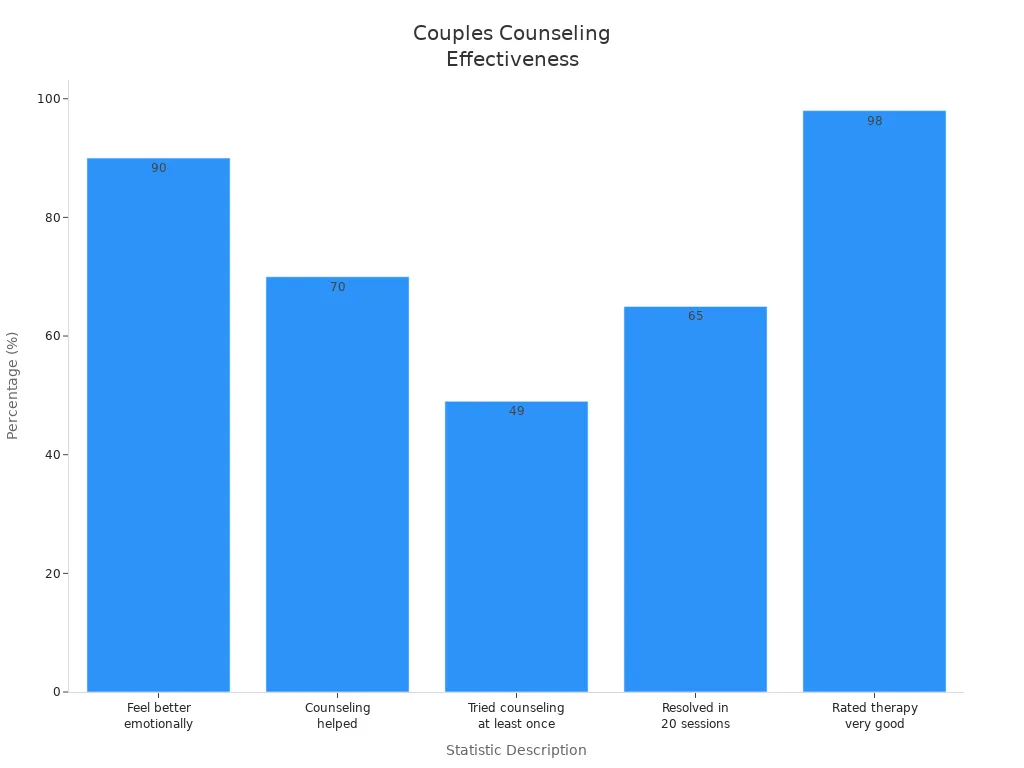
Professional support offers valuable tools for navigating relationship challenges. Couples counseling creates a safe space for vulnerability and honest communication. Research shows that early counseling helps you express yourself, understand your partner, and embrace differences. You learn conflict resolution skills and strategies for planning your future together.
| Statistic Description | Percentage |
|---|---|
| Couples who feel better emotionally after therapy | 90% |
| Couples who say counseling helped them | 70% |
| Married couples who have tried counseling at least once | 49% |
| Counseling cases resolved in 20 sessions or less | 65% |
| People rating their therapy as very good or excellent | 98% |
You benefit from counseling when you:
You can find reputable counselors through organizations such as the American Association for Marriage and Family Therapy or the National Board for Certified Counselors.
Relationship workshops provide structured environments for couples to learn and grow together. You participate in activities that foster communication, trust, and shared goals. Workshops teach techniques for building emotional security and navigating tough conversations. You gain practical skills and insights that strengthen your bond.
Callout: Seeking professional support is a sign of commitment, not failure. You invest in your relationship’s future when you reach out for help.
You may consider workshops offered by local counseling centers or national organizations. These resources guide you through exercises that improve understanding and connection.
By recognizing warning signs, having difficult talks, and seeking professional support, you lay the groundwork for a healthy, passionate partnership. You show strength and dedication when you invest in your relationship’s growth.
You keep the fire alive in your relationship by taking small, intentional steps each day.
“Passion in long-term relationships isn’t about chasing the intensity of the first spark; it’s about building a fire that keeps you warm for the long haul.”
Start with manageable actions such as daily check-ins, active listening, and expressing appreciation. Both partners’ efforts matter, and setbacks are normal.
| Evidence Type | Description |
|---|---|
| Novel Activities | Engaging in new experiences together can reignite passion and enhance emotional connection. |
| Emotional Intimacy | Open and honest conversations about feelings strengthen relationships. |
Stay motivated by focusing on positive moments and responding to emotional bids. Invest in your relationship today and watch your connection grow.
You can start by sharing memories and expressing appreciation. Schedule regular check-ins to discuss feelings. Small gestures, such as hugs or notes, help rebuild emotional closeness.
You can try new hobbies, travel to unfamiliar places, or cook together. Novel experiences encourage teamwork and spark excitement. Shared adventures often lead to deeper connection.
You should communicate openly about desires and boundaries. Use “I” statements to express your feelings. Consider scheduling intimate time and exploring new ways to connect physically and emotionally.
Yes, passion often changes over time. You can reignite excitement through intentional actions, such as trying new things and prioritizing quality time. Consistent effort keeps your relationship vibrant.
You can express empathy and explain your perspective. Suggest small, manageable changes. Celebrate progress together. Patience and understanding help both partners adapt and grow.
You can prioritize short rituals, such as morning greetings or evening walks. Plan date nights, even at home. Limit distractions during shared time. Consistency matters more than duration.
You should seek help if you notice persistent emotional distance, frequent conflict, or difficulty communicating. Early intervention supports growth and prevents further issues.
Yes, thoughtful surprises show care and attention. Small gestures, such as notes or unexpected treats, boost emotional connection and remind your partner of your commitment.