Donec efficitur, ligula ut lacinia
viverra, lorem lacus.
Donec efficitur, ligula ut lacinia
viverra, lorem lacus.


You can boost your sexual health by focusing on zinc, a mineral that supports hormone balance, libido, and reproductive function for both men and women. Research shows zinc supplementation helps maintain testosterone levels and prevents oxidative damage, both of which are vital for sexual performance.
Taking simple steps to increase zinc intake can help you unlock sexual benefits quickly and sustain them over time.
You can experience significant improvements in testosterone production by maintaining optimal zinc levels. Clinical studies show that zinc directly supports the synthesis of testosterone, which drives male libido and overall sexual motivation. For example, men with adequate zinc intake often report increased sexual desire and improved energy during intimacy. In one clinical case, a group of men with low testosterone received zinc supplementation for three months. Their testosterone levels rose by an average of 25%, and most participants noted a marked increase in sexual interest.
Tip: Regularly include zinc-rich foods in your diet to help sustain healthy testosterone levels and maximize sexual benefits.
Zinc plays a vital role in supporting erectile function and sperm quality. Multiple peer-reviewed studies have found a strong link between zinc levels and sperm motility, count, and overall fertility. The following table summarizes key findings from recent research:
| Study | Findings |
|---|---|
| Fuse et al. | Positive correlation between zinc levels and sperm motility. |
| Hussain et al. | Low seminal zinc in infertile men; zinc boosts sperm count. |
| Henkel et al. | Zinc therapy improves sperm density and motility. |
| Badade et al. | Zinc supports spermatogenesis and sperm function. |
| Khan et al. | Adequate zinc required for normal sperm function and count. |
| Oral supplementation | Improved sperm count and motility in asthenozoospermic patients. |
You may notice better erectile performance and increased fertility after consistent zinc supplementation. One real-life example involves a 35-year-old man struggling with infertility. After six months of zinc therapy, his sperm count doubled, and his partner conceived naturally.
Zinc contributes to prostate health, which is essential for reproductive function. The mineral helps maintain the quality of prostatic fluid, supporting sperm viability and motility. Men with healthy zinc levels show lower risks of prostate-related issues and higher fertility rates. In a clinical trial, men with chronic prostatitis received zinc supplements and reported reduced symptoms and improved sexual satisfaction.
| Benefit | Description |
|---|---|
| Testosterone Production | Zinc supports testosterone synthesis, vital for male sexual health. |
| Sperm Quality | Adequate zinc maintains high sperm quality and fertility. |
| Prostate Health | Zinc reduces risk of prostate-related issues and supports reproductive function. |
You can achieve better hormonal balance and enhanced sexual desire by ensuring sufficient zinc intake. Zinc influences the differentiation and proliferation of reproductive cells, supporting ovulation and fertilization. Scientific evidence shows that zinc helps maintain normal testosterone homeostasis, which is crucial for sexual desire in women. Women with balanced zinc levels often report improved mood and increased interest in intimacy.
Note: Zinc deficiency can disrupt hormone levels and reduce sexual desire. Regular dietary intake helps maintain optimal reproductive health.
Zinc plays a critical role in female fertility and vaginal health. Inadequate zinc intake around conception can disrupt reproductive processes, leading to impaired fertility. A randomized controlled trial found that zinc supplementation improved vaginal moisture, reduced pain during intercourse, and enhanced overall satisfaction in postmenopausal women. One case study involved a woman experiencing recurrent vaginal dryness and low libido. After three months of zinc supplementation, she reported restored vaginal moisture and a renewed sense of sexual well-being.
You can unlock greater sexual arousal and satisfaction by optimizing zinc intake. Research demonstrates that zinc supplementation increases sexual desire, arousal, orgasm frequency, and satisfaction in women. In a recent study, postmenopausal women who received zinc supplements experienced significant improvements in sexual function compared to a control group. Many participants described enhanced pleasure and reduced pain during intimacy.
Callout: Consistent zinc intake delivers sexual benefits for both men and women, including improved desire, satisfaction, and reproductive health.
Zinc acts as a cornerstone for hormone synthesis in your body. You rely on zinc to produce and regulate hormones such as testosterone, luteinizing hormone (LH), and follicle-stimulating hormone (FSH). When you maintain healthy zinc levels, your body can efficiently support gonadal activity and reproductive health. Zinc inhibits the aromatase enzyme, which helps you preserve testosterone by preventing its conversion to estrogen. This mechanism is vital for sustaining sexual motivation and performance.
If you experience zinc deficiency, you may notice disruptions in hormone production. For example, studies show that men with low zinc intake often have reduced testosterone synthesis in Leydig cells. This reduction triggers a compensatory increase in LH, but it does not restore normal testosterone levels. You may also see impaired spermatogenesis and testicular atrophy in severe cases. Zinc supports the function of endocrine cells and protects them from oxidative stress, which is essential for hormone balance.
You need zinc to maintain optimal testosterone levels. Research demonstrates that zinc supplementation increases FSH and LH, which boosts gonadal activity. In male reproductive health, zinc deficiency leads to lower testosterone and impaired sperm production. For women, zinc supports the synthesis of sex hormones and helps regulate prolactin, which influences reproductive cycles and sexual desire.
| Study Description | Findings |
|---|---|
| NHANES 2013–2016 (Children & Adolescents) | Zinc is involved in sex hormone synthesis, sexual maturity, and androgen metabolism for both males and females. Zinc deficiency links to low testosterone and poor sperm quality in males. Positive correlation between serum zinc and testosterone in male adolescents and female children. Adverse relationship in female adolescents. |
Tip: If you want to maximize sexual benefits, monitor your zinc intake and consider regular dietary sources or supplements as needed.
Zinc plays a direct role in supporting blood flow and energy levels, which are crucial for sexual function. You depend on zinc for the production of nitric oxide, a molecule that relaxes blood vessels and enhances genital blood flow. Improved blood flow helps you achieve and maintain erections and supports arousal in both men and women.
You benefit from zinc’s ability to facilitate nitric oxide production. This process relaxes blood vessels and increases blood flow to the penis or clitoris, improving sexual response. If you have low zinc levels, you may experience difficulties with arousal or erectile function.
Zinc helps you maintain energy and a positive mood, both of which influence sexual desire. Zinc supports thyroid hormone regulation and insulin synthesis, which are important for metabolism and energy production. You may notice increased fatigue and mood disturbances if you lack adequate zinc. By maintaining healthy zinc levels, you can support your overall vitality and enhance your sexual experience.
Case Example:
A 28-year-old woman reported low sexual desire and frequent fatigue. After testing, she discovered a zinc deficiency. She increased her intake through diet and supplements. Within three months, she experienced improved mood, higher energy, and greater sexual satisfaction.
Note: You can track improvements in energy, mood, and sexual response as you optimize your zinc intake.
You can boost your zinc intake by choosing animal-based foods, which offer high bioavailability and support optimal absorption. Animal proteins enhance zinc uptake, making these sources especially effective for improving sexual health. The following table compares popular animal-based foods and their zinc content per serving:
| Food Source | Zinc Content (mg) | Serving Size | % Daily Value (DV) |
|---|---|---|---|
| Oysters (raw) | 32 | 2 oz | 291% |
| Blue crab (cooked) | 3.2 | 3 oz | 29% |
| Bottom sirloin, roasted beef | 3.8 | 3 oz | 35% |
| Center loin, broiled pork | 1.9 | 3 oz | 17% |
| Roasted turkey breast | 1.5 | 3 oz | 14% |
| Rotisserie chicken thigh | 1.4 | 1 thigh | 13% |
| Cheddar cheese | 1.5 | 1.5 oz | 14% |
| Low-fat (1%) milk | 1 | 8 oz | 9% |
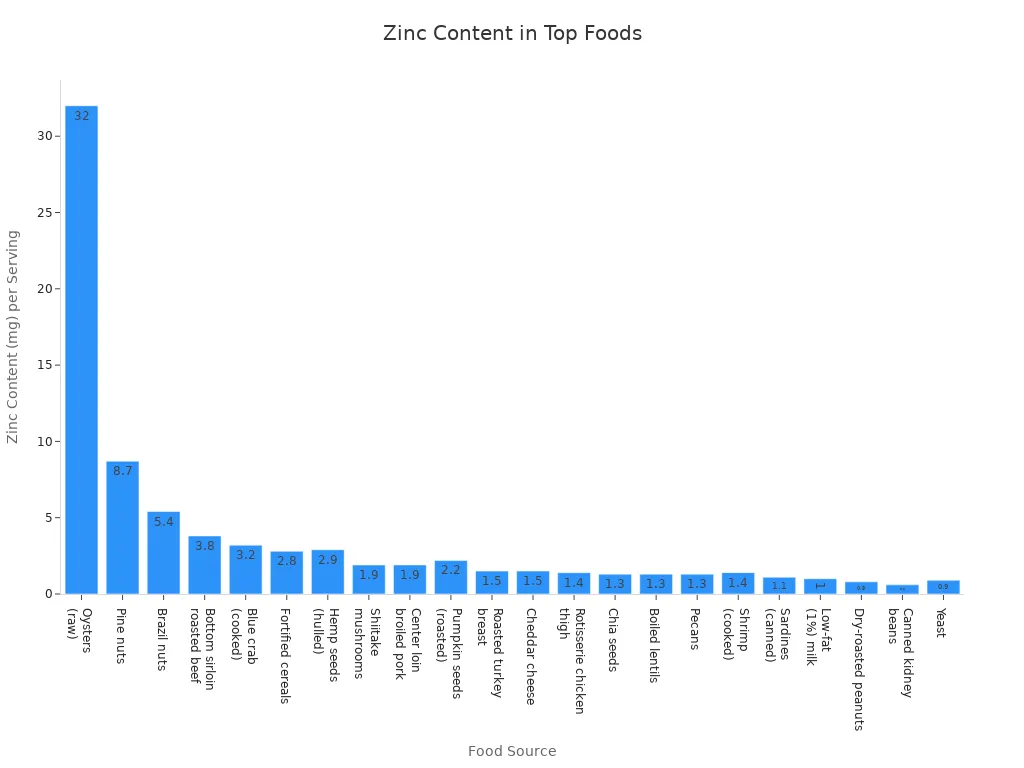
You can see that oysters deliver the highest zinc content, far exceeding daily requirements. Beef, crab, and pork also provide substantial amounts. Regularly including these foods in your diet helps you maintain healthy zinc levels and unlock sexual benefits.
Plant-based foods offer zinc, but absorption rates are lower due to phytates that inhibit uptake. You can still meet your needs by selecting zinc-rich options and preparing them to reduce phytate content. The table below highlights top plant-based sources:
| Food Source | Zinc Content (mg) | Serving Size | % Daily Value (DV) |
|---|---|---|---|
| Pine nuts | 8.7 | 1 cup | 79% |
| Brazil nuts | 5.4 | 1 cup | 49% |
| Hemp seeds (hulled) | 2.9 | 3 tbsp | 26% |
| Pumpkin seeds (roasted) | 2.2 | 1 oz | 20% |
| Shiitake mushrooms | 1.9 | 1 cup | 18% |
| Boiled lentils | 1.3 | 1/2 cup | 12% |
| Chia seeds | 1.3 | 1 oz | 12% |
| Pecans | 1.3 | 1 oz | 12% |
| Canned kidney beans | 0.6 | 1/2 cup | 5% |
You can improve zinc absorption from plant foods by soaking, sprouting, or fermenting grains and legumes. These methods lower phytate levels and help you gain more sexual benefits from your diet.
| Source Type | Bioavailability | Notes |
|---|---|---|
| Animal-based Zinc | Higher | Dietary protein from animal sources enhances zinc absorption significantly. |
| Plant-based Zinc | Lower | Phytates in plant foods inhibit zinc absorption, leading to a higher risk of deficiency. |
Tip: Combine animal and plant sources for a balanced approach. If you follow a plant-based diet, use preparation techniques to maximize zinc absorption.
You can support sexual health by meeting recommended daily zinc intake levels. The following table outlines the suggested dosages for adults:
| Gender | Recommended Daily Dosage |
|---|---|
| Adult women | 8 mg |
| Adult men | 11 mg |
You should not exceed these amounts unless advised by a healthcare provider. Excessive zinc intake may cause adverse effects and reduce the sexual benefits you seek.
You can choose from several supplement forms to enhance absorption and support sexual health. The most effective options include:
You may select the form that best fits your needs and preferences. Always check the label for dosage and purity.
Note: Take zinc supplements with food to minimize stomach discomfort and improve absorption.
You can increase zinc absorption by pairing it with certain nutrients. Protein and amino acids, such as histidine and methionine, enhance uptake. The table below summarizes key interactions:
| Nutrient | Effect on Zinc Absorption | Interaction Type |
|---|---|---|
| Protein | Enhances | Positive effect on absorption |
| Amino Acids | Enhances | Positive effect on absorption |
| Phytate | Inhibits | Negative effect, especially in cereals |
| Copper | Competes | Reduces zinc absorption |
| Iron | Competes | May inhibit absorption when supplemented |
You can improve absorption by eating zinc-rich foods with protein sources and limiting foods high in phytate.
You should avoid substances that inhibit zinc absorption. Phytate, found in cereals, grains, corn, and rice, binds zinc and reduces its bioavailability. Iron and copper supplements may also compete with zinc during absorption. High calcium intake and environmental contaminants like cadmium can further hinder zinc uptake.
Callout: You can reduce phytate content by soaking, fermenting, or sprouting grains and legumes. These simple steps help you unlock more sexual benefits from your diet.
Case Example:
You follow a vegetarian diet and experience low libido. You begin soaking and sprouting beans and seeds, add pumpkin seeds and pine nuts to your meals, and choose zinc citrate supplements. After three months, you notice improved energy, mood, and sexual satisfaction.
Step-by-Step Action Plan:
Alert: Always consult a healthcare provider before starting supplements, especially if you have medical conditions or take other minerals.
You can unlock sexual benefits by following these simple zinc steps. Consistent attention to diet, supplementation, and absorption strategies will help you achieve lasting improvements in sexual health.
You may notice a decline in sexual desire and performance if you lack sufficient zinc. Low testosterone levels often result from zinc deficiency, leading to reduced libido and erectile dysfunction. Clinical research links zinc deficiency to sexual impotence and other health concerns. You depend on zinc to regulate testosterone, which drives sexual motivation and function. When zinc levels drop, you may experience decreased sexual desire and difficulty achieving or maintaining erections.
Zinc plays a vital role in sperm health. You need adequate zinc to maintain sperm count and motility. Deficiency can cause poor sperm quality, thin sperm, and lower fertility rates. Prostate health may also suffer, contributing to urinary issues and further impacting reproductive function.
| Symptom | Prevalence in Deficiency | Impact on Sexual Health |
|---|---|---|
| Low libido | High | Decreased sexual desire |
| Erectile dysfunction | Moderate to high | Impaired sexual performance |
| Poor sperm quality | Moderate | Reduced fertility |
| Prostate issues | Moderate | Urinary and sexual problems |
Tip: If you experience persistent sexual dysfunction, consider evaluating your zinc status.
You rely on zinc to regulate hormone levels. Zinc inhibits the enzyme 5-alpha-reductase, helping you maintain a balance between estrogen and testosterone. This balance supports menstrual regularity and reduces symptoms of hormonal disorders such as PCOS and PMS. Zinc deficiency can disrupt progesterone synthesis, leading to irregular cycles and increased discomfort.
You may experience low sexual desire and vaginal dryness if you lack zinc. Disrupted fatty acid pathways can cause dry skin and mucous membranes, including the vaginal lining. Low progesterone levels may result in endometrial atrophy, vaginal dryness, and pain during intercourse. Studies show that zinc supplementation improves sexual function in postmenopausal women, increasing desire, arousal, orgasm, satisfaction, and vaginal moisture.
Case Example:
A 45-year-old woman reported low libido and vaginal dryness. After testing, she discovered a zinc deficiency. She began zinc supplementation and dietary changes. Within three months, she experienced improved sexual desire and comfort during intimacy.
You should consider zinc testing if you experience persistent symptoms such as low libido, erectile dysfunction, poor sperm quality, hormonal imbalance, or vaginal dryness. Semen analysis and serum zinc measurements can help identify underlying issues. If tests confirm deficiency, you may benefit from dietary adjustments or supplementation. Zinc supplementation can improve sperm quality, enhance fertility, and restore sexual function.
When to seek testing or supplementation:
| Indicator | Recommended Action |
|---|---|
| Low libido or arousal | Test zinc levels |
| Erectile dysfunction | Consider zinc assessment |
| Poor sperm quality | Semen analysis, zinc test |
| Hormonal imbalance | Serum zinc measurement |
| Vaginal dryness | Evaluate zinc status |
🩺 Note: Consult a healthcare provider before starting any supplement regimen. Professional guidance ensures safe and effective use of zinc for optimal sexual benefits.
You must pay close attention to recommended zinc intake to avoid adverse effects. The following table outlines the recommended dietary intake (RDI) and tolerable upper intake level (UL) for adults:
| Age Group | RDI (mg/day) | UL (mg/day) |
|---|---|---|
| Men 19-30 yr | 14 | 40 |
| Men 31-50 yr | 14 | 40 |
| Men 51-70 yr | 14 | 40 |
| Men >70 yr | 14 | 40 |
| Women 19-30 yr | 8 | 40 |
| Women 31-50 yr | 8 | 40 |
| Women 51-70 yr | 8 | 40 |
| Women >70 yr | 8 | 40 |
🛡️ Tip: You should not exceed the upper limit of 40 mg per day unless a healthcare provider recommends it. Chronic intake above this level increases your risk of toxicity.
You need to understand that exceeding the upper intake level can cause serious health problems. Chronic high zinc intake may lower your HDL cholesterol, weaken your immune system, and trigger copper deficiency. Acute exposure can result in chills, sweating, weakness, fever, muscle soreness, chest pain, coughing, and shortness of breath. Long-term excess may lead to nausea, dizziness, headaches, abdominal discomfort, vomiting, diarrhea, and loss of appetite.
Certain populations and medical conditions require extra caution with zinc supplementation. You should consult your healthcare provider if you have any of the following conditions:
| Medical Condition/Population | Risk Related to Zinc Deficiency |
|---|---|
| Liver Disease | Adverse outcomes related to zinc deficiency |
| Inflammatory Bowel Disease | Adverse outcomes related to zinc deficiency |
| Chronic Kidney Disease | Adverse outcomes related to zinc deficiency |
| COVID-19 Infection | Adverse outcomes related to zinc deficiency |
| Long-term use of zinc-chelating drugs | Can lead to zinc deficiency |
⚠️ Alert: If you take medications that interact with zinc or have chronic health conditions, you must seek medical advice before starting supplements.
You may experience negative interactions if you combine zinc with certain medications, such as antibiotics or diuretics. Zinc can also interfere with copper and iron absorption. Always inform your healthcare provider about all supplements and medications you use.
You should recognize the most common side effects of excessive zinc intake. These symptoms often appear when you exceed the recommended upper limit:
💡 Case Example:
A 42-year-old man began taking high-dose zinc supplements without medical supervision. Within weeks, he developed persistent nausea, abdominal pain, and frequent colds. Laboratory tests revealed low HDL cholesterol and copper deficiency. After discontinuing zinc and receiving medical care, his symptoms resolved.
🩺 Note: You should always consult a healthcare provider before starting zinc supplementation. Professional guidance ensures you use zinc safely and avoid harmful side effects.

You can track your sexual health progress by observing changes in energy, mood, libido, and overall satisfaction. Start by recording your baseline symptoms before you adjust your zinc intake. Use a simple journal or digital tracker to note daily experiences. For example, you might rate your sexual desire, arousal, and comfort on a scale from 1 to 10 each week.
Tip: Consistent tracking helps you identify patterns and measure improvements over time.
You may notice positive changes within several weeks of optimizing zinc intake. Look for increased sexual desire, better arousal, improved mood, and higher energy levels. If you experience symptoms such as low libido or fatigue, document their frequency and severity. You can use the table below to organize your observations:
| Week | Libido (1-10) | Energy (1-10) | Mood (1-10) | Sexual Satisfaction (1-10) | Notes |
|---|---|---|---|---|---|
| 1 | 4 | 5 | 6 | 5 | Baseline |
| 2 | 5 | 6 | 7 | 6 | Started zinc changes |
| 3 | 6 | 7 | 7 | 7 | Noticed improvement |
| 4 | 7 | 8 | 8 | 8 | Consistent progress |
You can update this table weekly to visualize your progress. If you see steady improvement, you are likely benefiting from your zinc strategy.
You should adjust your zinc intake based on your tracked results and any symptoms you experience. If you do not notice improvement after several weeks, review your diet and supplement choices. You may need to increase zinc-rich foods or select a more bioavailable supplement form. Always stay within recommended intake levels to avoid side effects.
🩺 Note: Consult a healthcare provider if you experience persistent symptoms or if you plan to change your supplement dosage.
You can use a step-by-step approach to adjust your intake:
Case Example:
You begin tracking your sexual health after adding zinc-rich foods to your diet. After four weeks, you notice higher energy and improved libido. You continue monitoring and adjust your intake as needed. If symptoms persist, you consult your healthcare provider for further guidance.
Callout: Regular tracking and thoughtful adjustments help you unlock the full sexual benefits of zinc while maintaining safety.
You unlock powerful sexual health benefits when you maintain healthy zinc levels.
Monitor your progress and speak with a healthcare provider before starting supplements. Take charge of your sexual health by making zinc a priority in your daily routine. Your commitment leads to better energy, satisfaction, and overall well-being.
You support hormone production with zinc. This mineral helps your body maintain testosterone and estrogen levels, which drive sexual desire. You may notice increased libido after improving your zinc intake.
You can choose oysters, beef, crab, and pumpkin seeds. These foods contain high levels of zinc. You absorb zinc best from animal-based sources.
You may use zinc supplements if your diet lacks zinc. Choose forms like zinc citrate or gluconate. Always follow recommended dosages and consult your healthcare provider.
You may experience low libido, fatigue, or poor mood. You can ask your doctor for a blood test to check your zinc levels.
You risk nausea, diarrhea, and copper deficiency if you take too much zinc. Stay below 40 mg per day unless your doctor advises otherwise.
You benefit from zinc regardless of gender. Zinc supports testosterone, estrogen, and overall reproductive health for men and women.
You lose zinc absorption with high phytate foods, excess iron, or copper supplements. Soak or sprout grains and legumes to improve zinc uptake.
You should consult your doctor if you have persistent sexual dysfunction, infertility, or symptoms of deficiency. Professional guidance ensures safe and effective zinc use.